
Across natural and cultivated spaces, but also in inhabited areas, soils form a thin, fragile and dynamic layer at the interface of the geo-, bio- and atmospheres. By infiltrating water, cooling the air, growing food, acting as carbon sink and supporting biodiversity, they provide crucial ecosystem services for global mitigation and local adaptation to climate change. The Chair of Transitioning Urban Ecosystems (CUE) is therefore committed to develop design strategies for URBAN SOIL preservation and regeneration through the ecological transition and sustainable requalification of metropolitan areas.
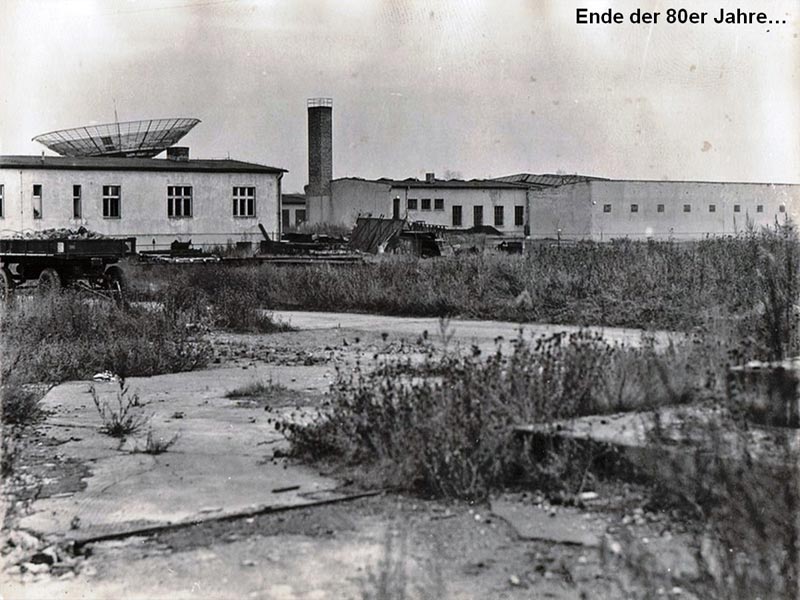
The objective of the Master Seminar is to investigate a series of characteristic historical and contemporary Berlin’s urban soils at different scales, ranging from in situ observations to the larger territorial systems of the metropolitan area. Using various methods relating to archival exploration, ecological field survey, processing of existing datasets, or analysis of ongoing policies, the students will elaborate, in the first place, a repertoire of “soil portraits” or “soil narratives” for Adlershof, one of the largest science and technology park in Germany, currently facing various issues of sustainability. Students will then formulate topical hypotheses for a catalogue of purposed-designed urban soils profiles, and test them in regards to future soil regeneration and climate change adaptation in Adlershof.
- Trainer/in: Aniella Sophie Goldinger
- Trainer/in: Sarah Maria Möller
- Trainer/in: Antoine Vialle
- Trainer/in: Michel Zalis