
Курсы
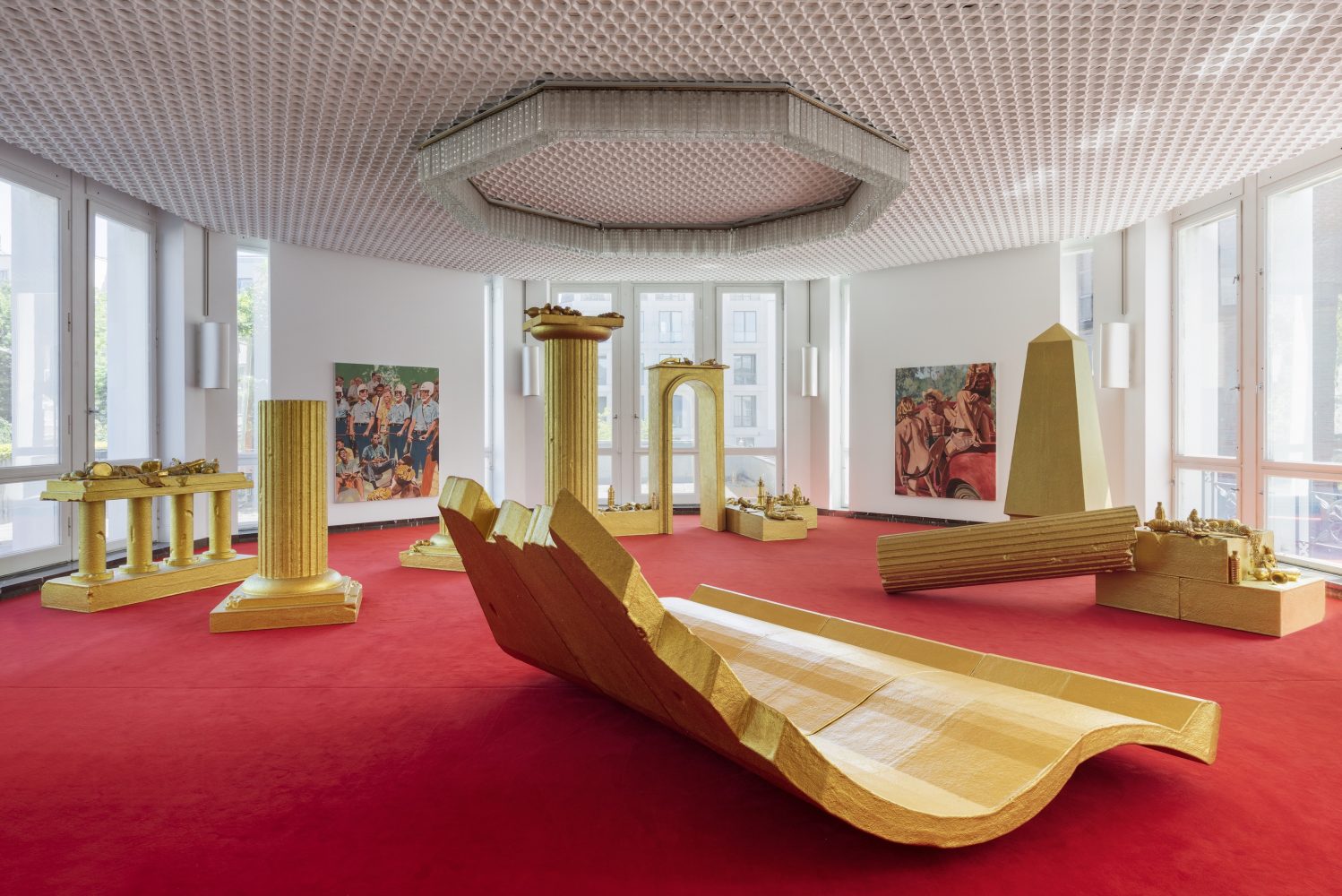
Practices of Display: Berlin Exhibition Spaces • Fine Art Project (MA)
Exhibitions are practices of spatial and cultural construction, where architecture, display, and narrative intersect. The city of Berlin offers an unparalleled site to explore how exhibitions negotiate between art, architecture, and the shifting conditions of cultural and institutional practice. The seminar investigates Berlin as a dynamic site for exhibitions. Through site visits to museums, galleries, project spaces, and independent initiatives across the city, students will engage directly with exhibition practices in situ. Comparative case studies will be paired with on-site discussions to explore how curatorial strategies respond to specific urban, architectural, and institutional contexts. Students will develop critical tools for analysing exhibition design as a cultural, spatial, and political phenomenon. Emphasizing questions of space, power, and representation, the seminar approaches exhibitions as architectural constructs that mediate between artistic practice, institutional frameworks, and the city.
- Trainer/in: Alex Groß
- Trainer/in: Kristina Astrid Lovaas
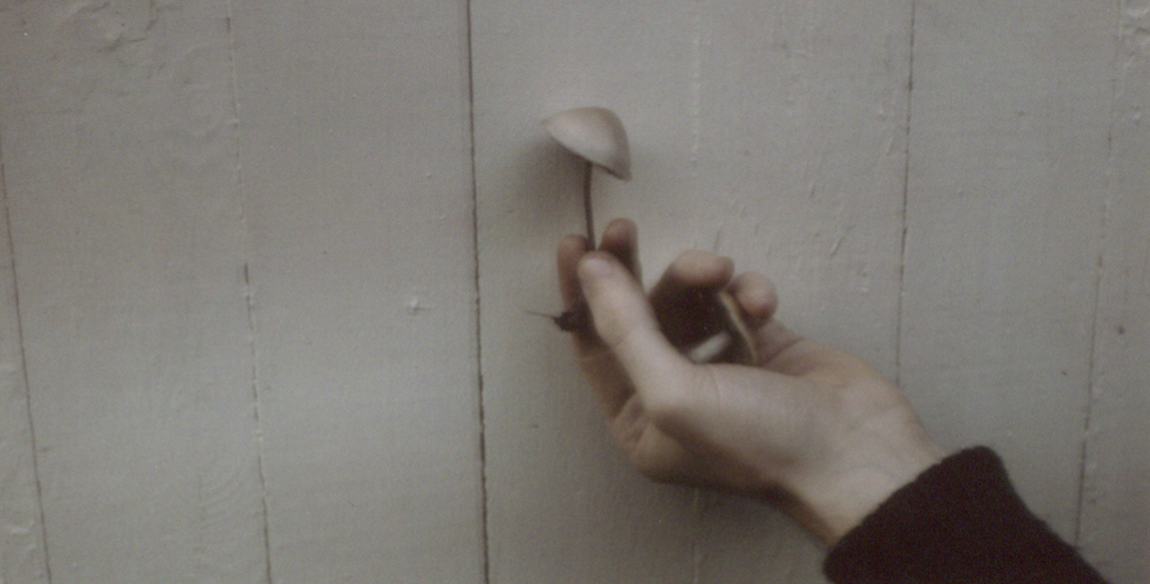
At the center of the transdisciplinary module lies the step-by-step fusion of two materials: ceramic substances and mycelium. Students will be introduced to working techniques for these distinct material worlds, while both theoretical and practical input will be provided from various disciplines.
The teaching format consists of two thematically and temporally equivalent modules – one within the Master’s program in Architecture and the other in Biotechnology (Faculty III, Prof. Vera Meyer). In addition, the module is enriched by collaborations with the TU departments of Building Materials and Construction Chemistry, Robot-Assisted Manufacturing of the Built Environment (Prof. Inka Mai) and Advanced Ceramic Materials.
Alongside process-oriented, collaborative and reciprocal teaching, learning, and working, the aim is to develop hybrid objects situated at the intersection of art and science.
- Trainer/in: Mehrzad Esmaeili Charkhab
- Trainer/in: Alex Groß
- Trainer/in: Hannes Reemt Helms
- Trainer/in: Pietro Mellano
- Trainer/in: Carmen Preuß
- Trainer/in: Erjia Ren
- Trainer/in: Bertram Schmidt
- Trainer/in: Luisa Kristina Schumann
- Trainer/in: Valentina Luisa Villa
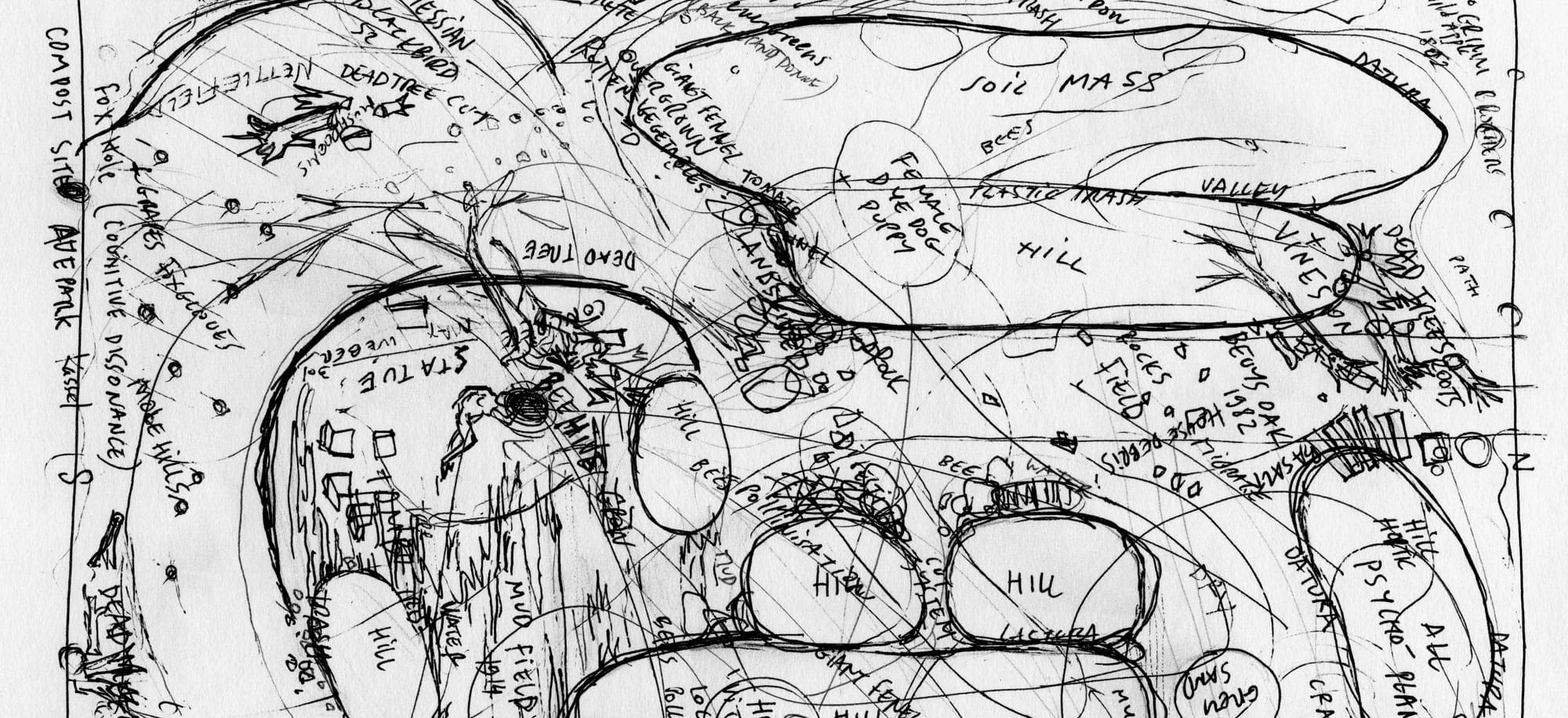
In diesem Kurs lernen wir Methoden der künstlerischen Forschung kennen und wenden sie in eigenen, offen angelegten Projekten an. Wir fragen uns: Wie lässt sich aus künstlerischer Forschung Wissen gewinnen, und welche Formen nimmt dieses Wissen an?
Wir werden Wege und Ansätze zeitgenössisch forschender Akteur:innen detektivisch erschließen und eigenen Interessen explorativ nachgehen. Dabei bewegen wir uns in Zwischenräumen, in denen das Erzeugen, Ordnen und Vernetzen von Wissen im Zentrum steht. Künstlerische Forschung entfaltet sich insbesondere in Grenzbereichen der Disziplinen und ermöglicht Erkenntnisse, die vermeintliche Dichotomien – Praxis vs. Theorie, Subjektivität vs. Objektivität, Nähe vs. Distanz auflösen – zugunsten nicht vorhersehbarer verschlungener Wege zwischen Material und Wissensproduktion.
Die Lehrveranstaltung findet ihren Abschluss in einem Lab-Format unter dem Motto: „Think of your research as part of the artwork, not just as a means to an end, or as the discovery process for finding an ultimate answer.*“
*Caroline Sinders, How to Make Research-Driven Art, The Creative Independent, 2018
Image credits: Pierre Huyghe, Plan for Untilled, 2012, Tapestry, 237.01 x 314.96 in. Courtesy of the artist; Marian Goodman Gallery, New York; Esther Schipper, Berlin.
- Trainer/in: Laura Allegra Sophia Leppert
- Trainer/in: Carmen Preuß
- Trainer/in: Erjia Ren
- Trainer/in: Luisa Kristina Schumann
- Trainer/in: Mika Schwarz
- Trainer/in: Valentina Luisa Villa