
Kurslar
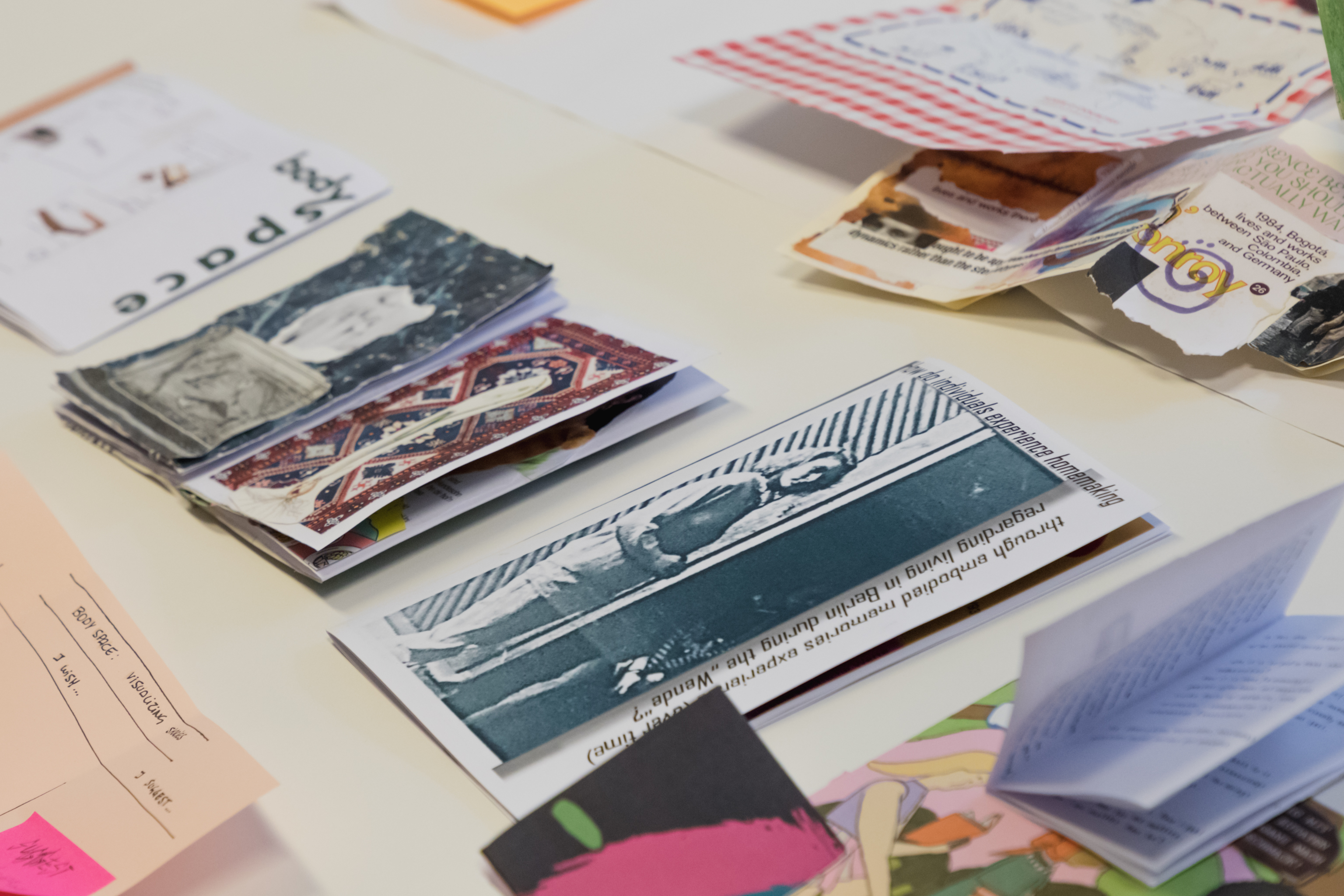
 Photo: © Body-Space archive (Mateo Zubieta)
The Body–Space co-research group explores home-making as an embodied and spatial practice, centering migrant, queer, and racialized experiences. We investigate how home is built and unbuilt through the body, and how sensorial and visual methods can capture socio-spatial gestures.
Last semester, Body–Space traced individual and collective trajectories through collage, drawing, mapping, and oral zines. Our investigations revealed nuanced perceptions of home-making. They wove together, for instance, the emotional labor of building home across places while crafting intimacy; the situated negotiations of gender euphoria and dysphoria after gender-affirming surgery; and the political alliances and social ties that serve as anchors in displacement over time.
This semester, we will co-create a cartography of embodied home-making by curating these nuanced meanings and adding new layers through reflection and practice. We will then produce the Body–Space Zine, experimenting with different stages of zine-making to explore multimodal ways of producing and sharing knowledge.
Teaching Staff
Mariana Morais
- Trainer/in: Abde Lilith Batchati
- Trainer/in: Mariana Morais Luiz
Global City Local Spaces
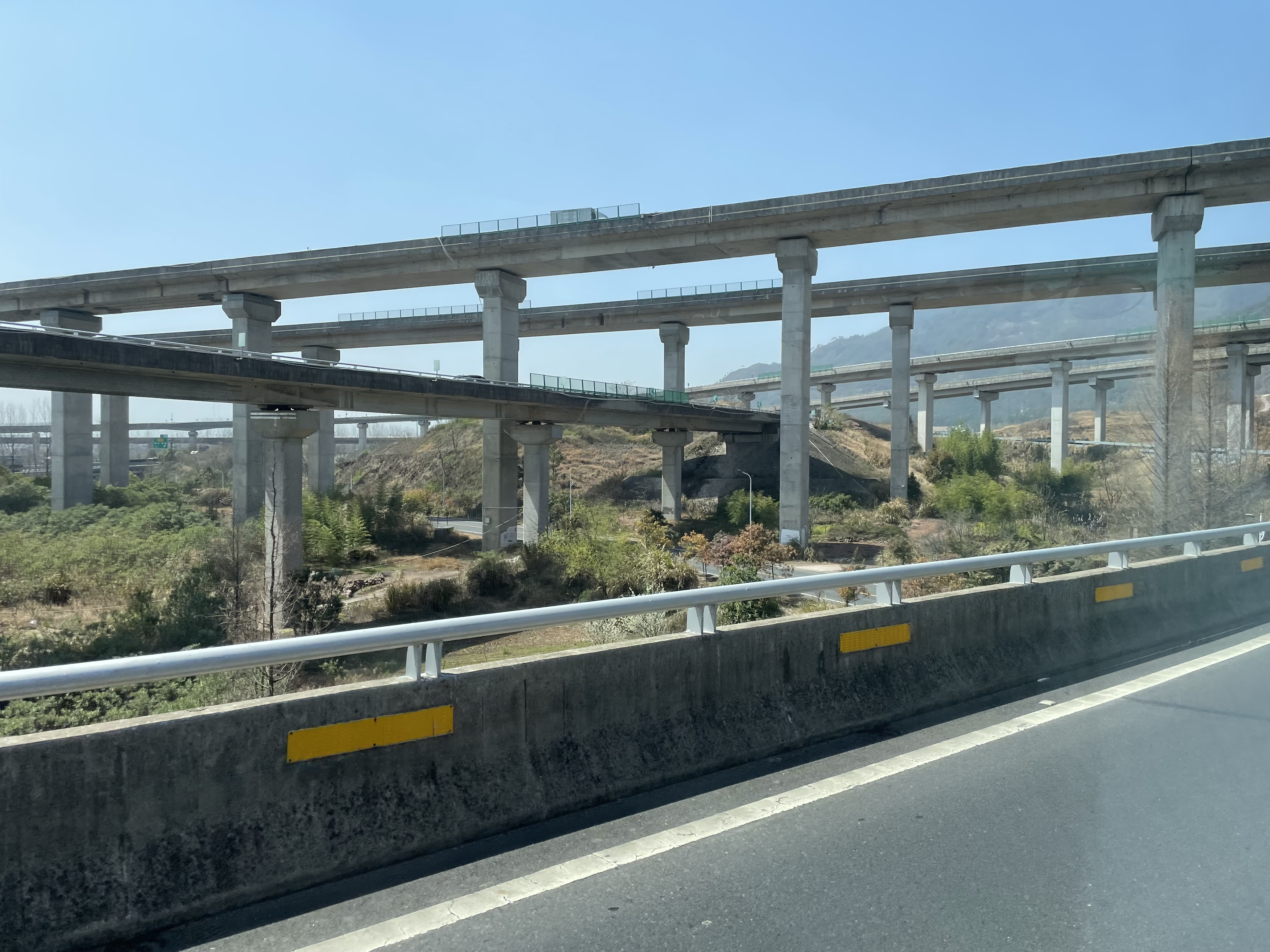
This lecture series will focus on different theoretical and analytical approaches to urban settlements, global urbanisation and transformation as well as on the practice of urban planning. It is structured in three blocks, addressing key questions such as: How can one define the urban as a field of inquiry and planning practice in a planetary perspective? How is the knowledge base of planning generated by different disciplines and across geographies of expertise and power? How can one build an understanding of the co-production of urban space as a toolbox for more inclusionary, sustainable and just planning and design strategies?
The principle of making the co-production and the open borders of urban planning knowledge explicit also informs the set-up of the lecture series: In order to represent the spectrum of approaches to urban design and research at Habitat Unit, the lecture brings together multiple voices by researchers and practitioners in the fields of planning, architecture, urban studies and sociology. Students are encouraged to develop a (self)critical awareness of the broader context and multidisciplinary field in which planners operate. This should facilitate (not limit) his/ her creative involvement in forging more beautiful, just, and sustainable urban environments.Photo © Anke Hagemann
- Trainer/in: Abde Lilith Batchati
- Trainer/in: Anke Hagemann
- Trainer/in: Philipp Misselwitz
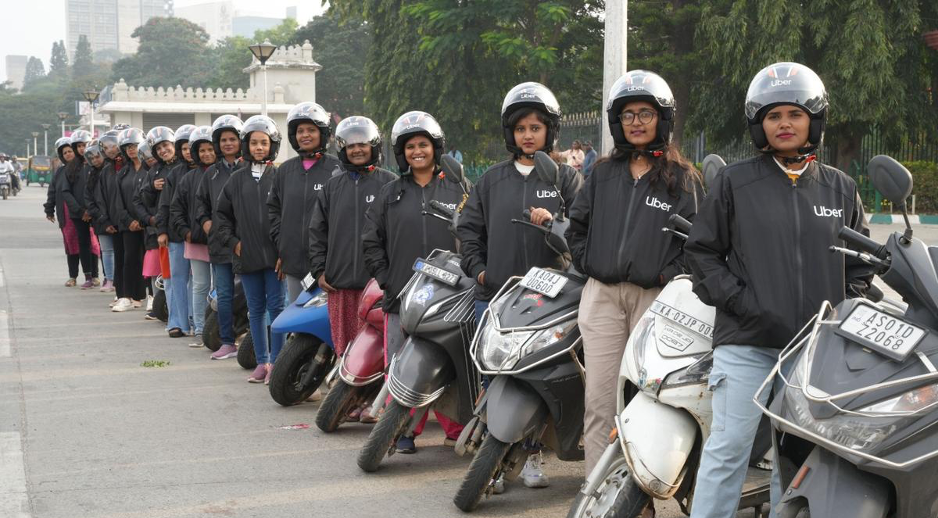
Cities worldwide are transforming their transport systems, and data‑driven mobility services and electric mobility are playing a key role in this. However, women and girls still face disproportionate barriers related to safety, affordability, trip‑chaining and access to decent jobs in the sector. This studio seizes the twin transitions of electrification and digitalisation to re‑imagine urban mobility systems around women’s needs.
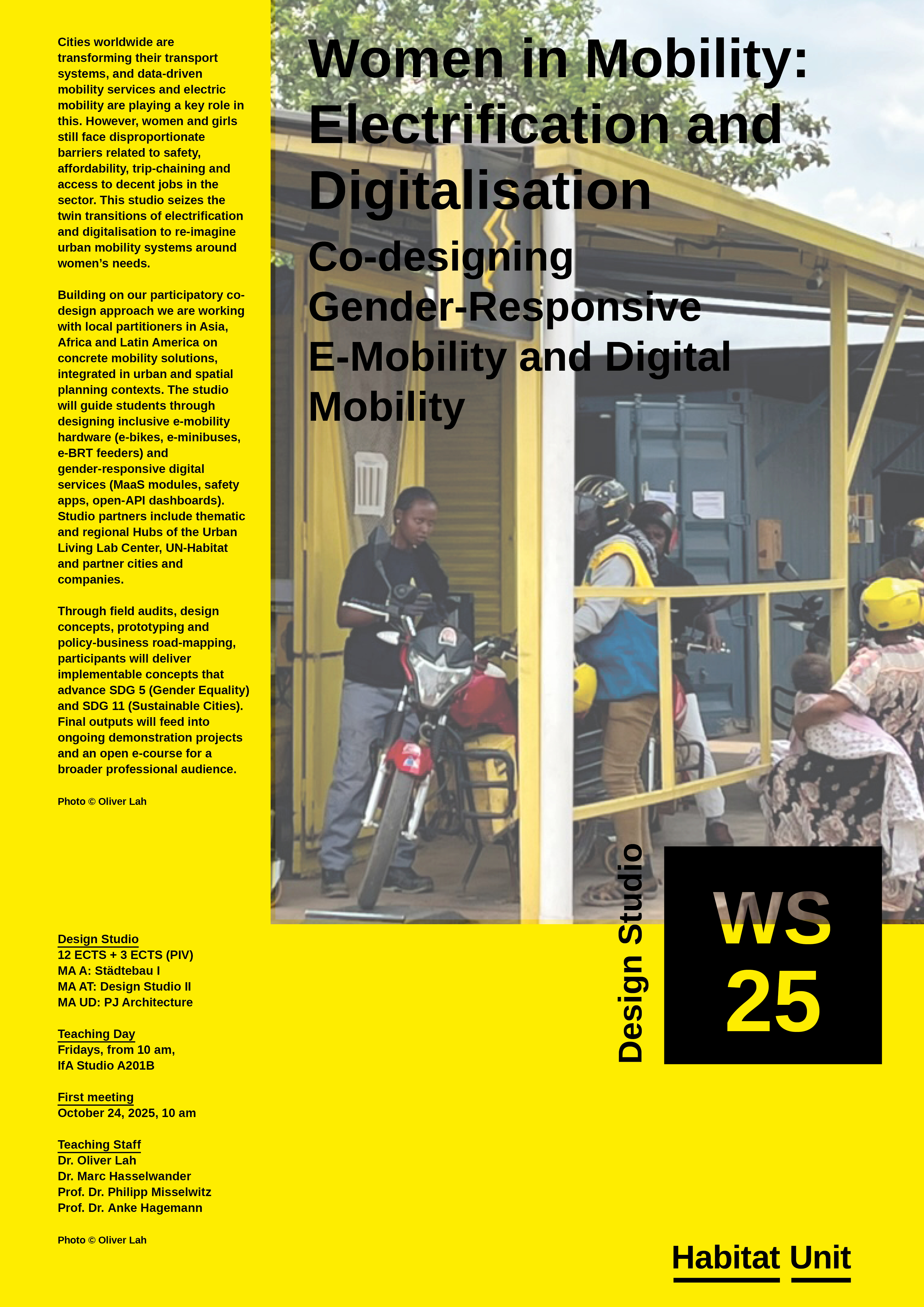 Building on our participatory co-design approach we are working with local partitioners in Asia, Africa and Latin America on concrete mobility solutions, integrated in urban and spatial planning contexts. The studio will guide students through designing inclusive e‑mobility hardware (e‑bikes, e‑minibuses, e‑BRT feeders) and gender‑responsive digital services (MaaS modules, safety apps, open‑API dashboards). Studio partners include thematic and regional Hubs of the Urban Living Lab Center, UN‑Habitat and partner cities and companies.
Through field audits, design concepts, prototyping and policy‑business road‑mapping, participants will deliver implementable concepts that advance SDG 5 (Gender Equality) and SDG 11 (Sustainable Cities). Final outputs will feed into ongoing demonstration projects and an open e‑course for a broader professional audience.
- Trainer/in: Marc Antonio Hasselwander
- Trainer/in: Oliver Peter Lah
Urbane Koproduktion II
Rixdorf
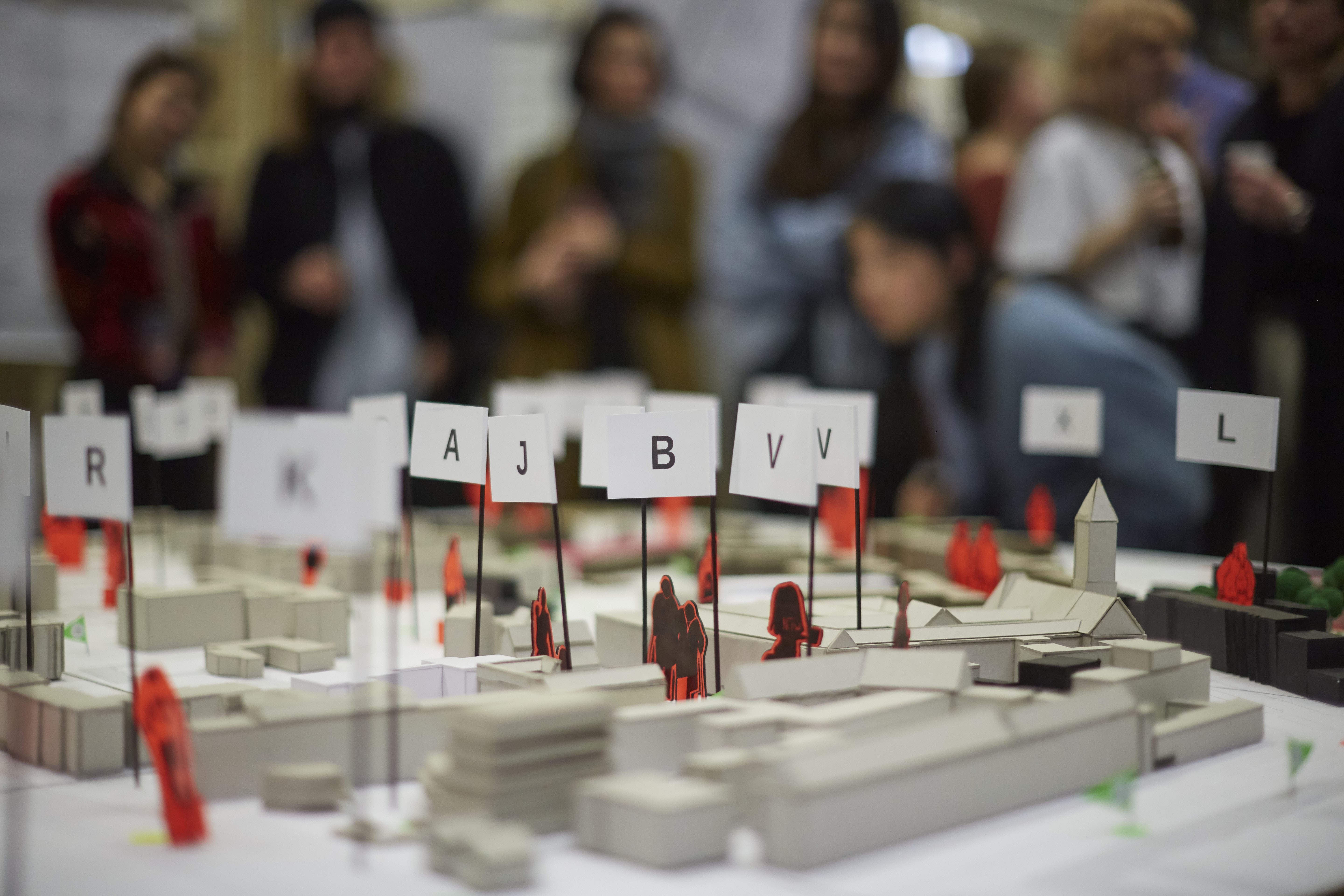
Berlin ist viele Städte, hat viele Zentren und noch mehr Kieze – eine städtische Enzyklopädie. Die Großstadt mit den heutigen Grenzen entstand erst vor hundert Jahren aus einer Vielzahl von Kleinstädten und Landgemeinden zu 20 Bezirken Groß-Berlins. Diese historischen Fragmente und Sub-Zentren sind noch heute gut erkennbar.
Dieses BA Studio fokussiert sich auf eine zukunftsfähige und gerechte Transformation eines alltäglichen Kiezes im Bezirk Neukölln als Teil des metropolitanen Gefüges. Dabei werden lokale und großräumliche Trends unter dem Aspekt der ökologischen und sozialen Verträglichkeit analysiert und weitergedacht. Im Zentrum steht die Frage, wie urbane Transformation durch kollaborative Ansätze zu einer gerechten Stadtentwicklung beitragen kann, insbesondere im Kontext der verschiedenen Konflikte und Anpassungsnotwendigkeiten der letzten Dekade.
Neukölln, oft stigmatisiert in aktuellen Stadtentwicklungsdebatten, bietet als Alltagsort wichtige Einblicke in die Herausforderungen und Potenziale partizipativer Stadtentwicklung. In einer Reihe methodischer Übungen werden materielle, räumliche, soziale, ökonomische, ökologische und kulturelle Zusammenhänge untersucht, die prägend für die Metropole sind.
Teilnehmer*innen erarbeiten ein erweitertes, kritisches Verständnis der Rolle von Planenden in einem zunehmend komplexen Handlungsfeld. Sie entwickeln Ansätze für das strategische Entwerfen und Entwickeln von lebendigen, inklusiven und gemeinschaftlich gestalteten Räumen. Besonderes Augenmerk liegt auf partizipativen Prozessen und der Integration verschiedener Stakeholder in die Planung und Entwicklung resilienter Stadtquartiere.
- Trainer/in: Moritz Ahlert
- Trainer/in: Abde Lilith Batchati
- Trainer/in: David Bauer
- Trainer/in: Aikaterini Tzouvala
Post-migrant Hermannplatz
Co-production and insurgent practices
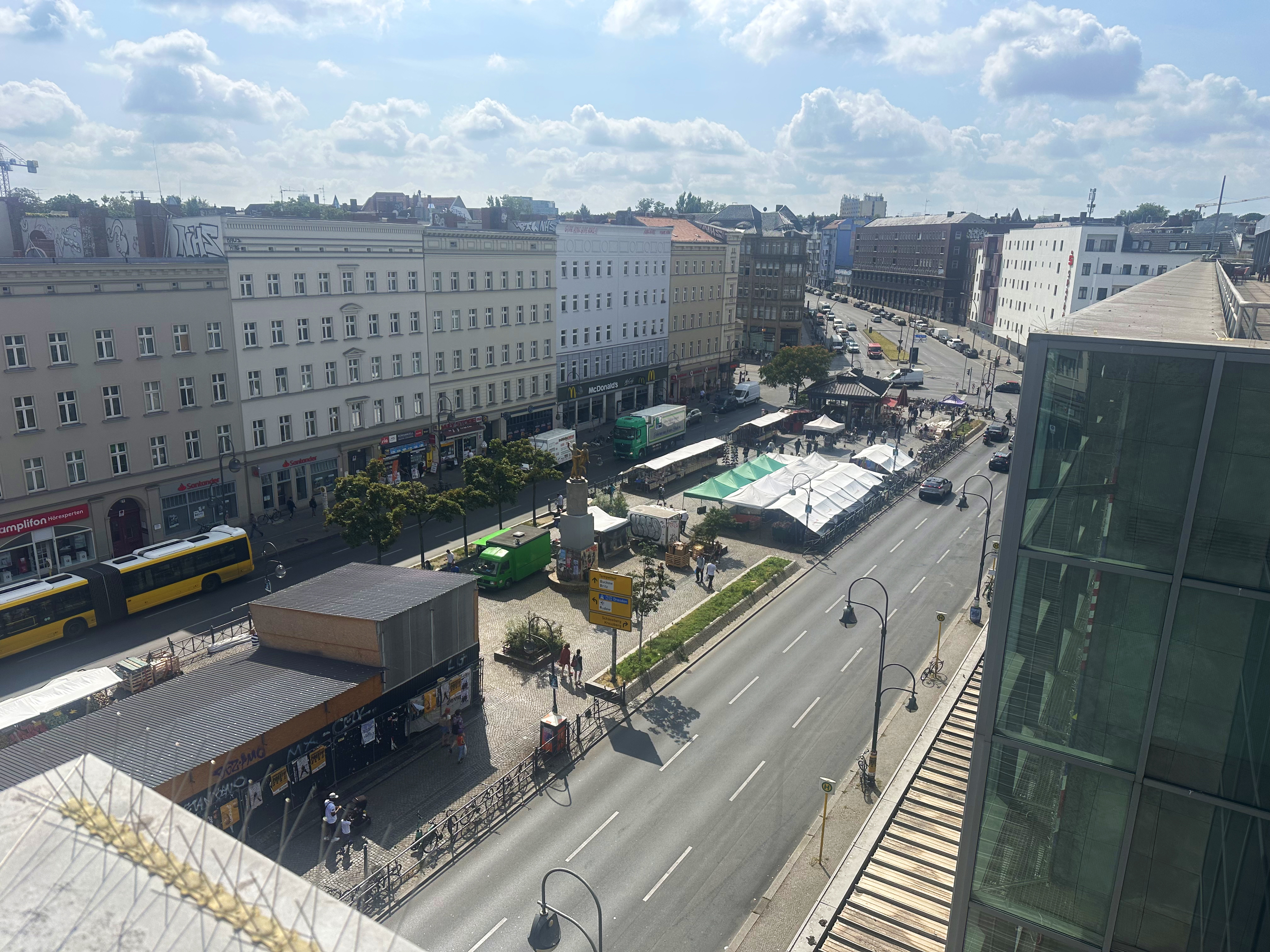
Berlin is celebrated as a city of migrants, using diversity as a slogan to attract tourists and residents. Neukölln, one of its most diverse districts, has over 50% of residents with migrant backgrounds. Yet this diversity coexists with contradictions shaped by neoliberal urban policies. Narratives that stigmatize the neighborhood often blame migrant communities for issues, such as rat infestations, linked to food habits rather than real causes: poor waste management and lack of infrastructure investment. Such discourses often precede gentrification agendas prioritizing real estate profits over residents’ needs.
Using the frameworks of post-migration and insurgent urbanism, this Master Studio develops alternative perspectives for the Hermannplatz and Sonnenallee area. It has been the subject of intense debate and political struggle, fueled by large-scale projects including developments around Karstadt and Hermannplatz, as well as the construction of Berlin’s largest refugee shelter, set to host over 1,000 people by 2027.
Post-migrant perspectives challenge the binary of “locals” and “migrants,” advocating for a citizen identity that recognizes equal rights, empowerment, and the cultural contributions of all urban inhabitants (Weiss et al., 2019). Migration is seen as a transformative process reshaping societies, not merely a phenomenon affecting migrants alone (Wiest, 2020). As Bock and Macdonald (2019) note, post-migration seeks to transcend “migration” as a disguised marker of exclusion while embracing it as social normality.
Insurgent urbanism is reflected in the experiment with collaborative planning and design tools to propose urban narratives and interventions rooted in Neukölln’s diverse residents and temporary users. By centering their voices, needs, and cultural identities, it aims to foster inclusive strategies resisting neoliberal displacement. Insurgent urbanism here becomes a form of resilience and self-determination, envisioning Neukölln as an equitable, dynamic space where difference is strength and futures are collectively shaped.
- Trainer/in: Qosay Amer
- Trainer/in: Abde Lilith Batchati
- Trainer/in: Juliana Soares Gomes Canedo
- Trainer/in ohne Editorrecht: Danielle Amorim Rodrigues
Projektwerkstatt: Borders in Transition III
Borders in Transition is a student-led, peer-to-peer teaching project that explores the concept of borders through a spatial lens, researching the complex layers that configure border territories.
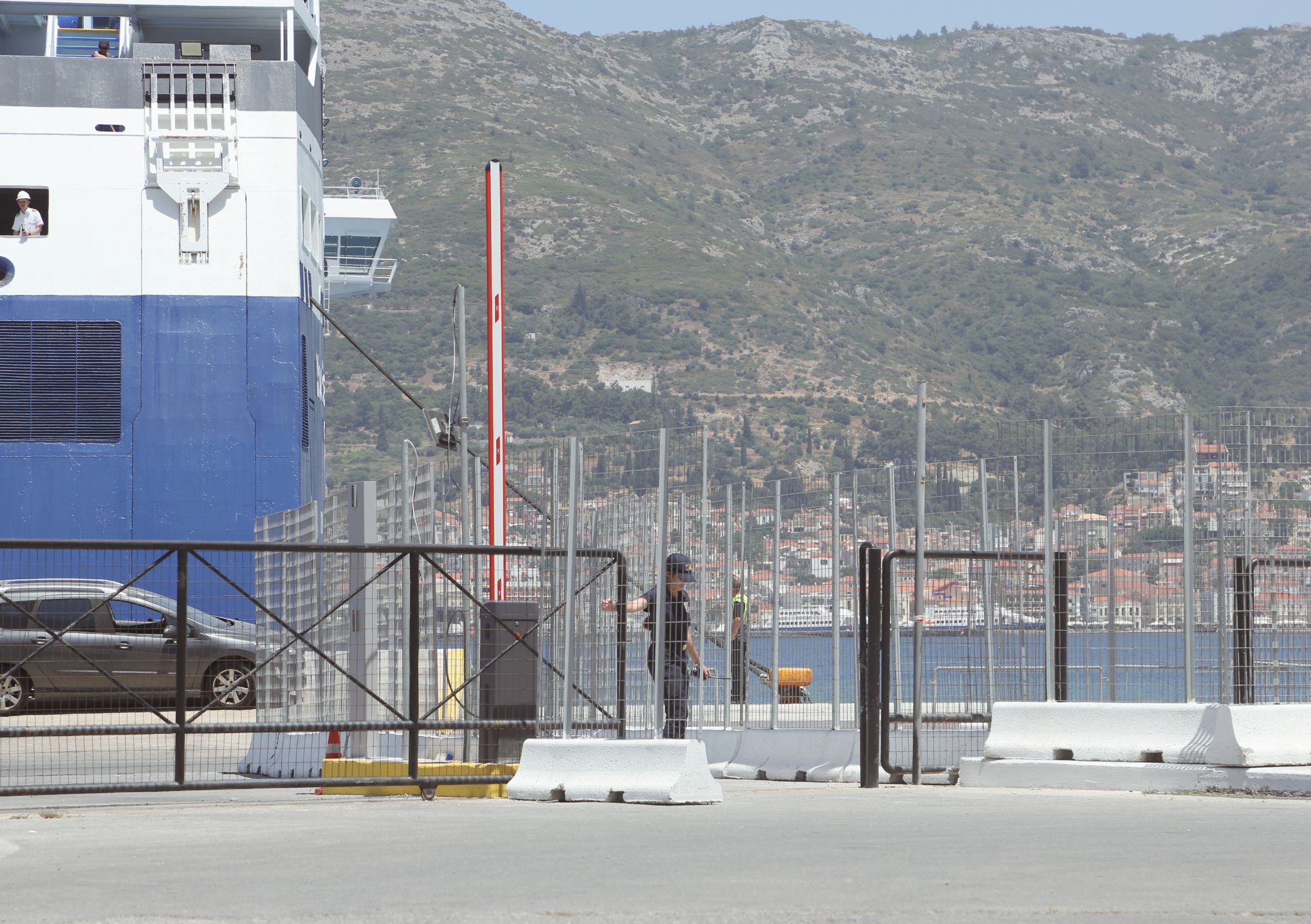
This semester, Borders in Transition will focus on how borders are internalized through spatial practices — in other words, how borders move from the periphery of state territories into their interiors in various forms. This internalization often takes shape through the creation of “islands” that govern the movement of specific groups across time and space. These can take the form of urban border infrastructures such as migrant detention centers, refugee camps, airports, and ports. They can also appear as fortified enclaves, internal displacement zones, or literal islands used as natural enclaves for the geographical containment of cross-border movement.
In this context, we will work in groups on three cases: an urban case in Germany, the border islands of the Aegean Sea in Greece, and the fragmented, shifting borderlands of Palestine. Together, these cases allow us to trace how borders are reproduced in different regional geographies — from urban infrastructures at the core of EU border governance, to island-enclaves at its external frontier, and to internal displacement zones shaped by long-standing conflict. We therefore aim to unpack the complexities of bordering practices while situating them within a broader global perspective.
The seminar is conducted in a block format and is based on horizontal, peer-to-peer feedback. The first part focuses on co-learning through readings, inputs, and discussions, while the second part is dedicated to group work and the presentation of small student research projects. Students will be able to choose one of the three cases as well as the specific focus of their projects. At the end of the semester, we will co-produce a collective outcome that brings together all student projects and reflects on the learnings across the cases studied.
- Trainer/in: Simten Önen
- Trainer/in: Ioanna Protopapadaki
- Trainer/in: Moritz Ahlert
- Trainer/in: Iman Atwa
- Trainer/in: Hellen Naeem Fouad Yousef Aziz
- Trainer/in: Saba Barani
- Trainer/in: Abde Lilith Batchati
- Trainer/in: David Bauer
- Trainer/in: Hassan Abdelaziz Hassan Elmouelhi
- Trainer/in: Anke Hagemann
- Trainer/in: Philipp Misselwitz
- Trainer/in: Yuliya Navatskaya
- Trainer/in: Lukas Pappert
- Trainer/in: Juliana Soares Gomes Canedo
- Trainer/in: Aikaterini Tzouvala