
Kurzy

FG Stadtökologie: Dynamics of the urban environment
Mitigating heat stress through climate-sensitive urban design
- "Masterprojekt / Profilierungsprojekt Ökologie" M.Sc. / B.Sc. Ökologie und Umweltplang;
- "Environmental Resources in Urban Regions" M.Sc. Urban Ecosystem Sciences (Stadtökologie)
The project can probably be taken as an equivalent to other project modules for profiling / specialisation.
Click here for the → VVZ-MOSES entry
Background
Rising temperatures and frequent heatwaves in cities, described by the “urban heat island” effect, pose significant risks to public health and the economy. In order to reduce the impact of heatwaves in urban areas, well thought-out urban planning is necessary. Integrating green infrastructure and nature-based solutions is crucial for creating resilient and climate-sensitive urban spaces.
This project develops an ecological framework for analyzing and monitoring the redevelopment of the Hertzbergplatz in Berlin-Neukölln in the "Quartier Harzer Straße", under changing climate conditions. In cooperation with the "Senatsverwaltung für Stadtentwicklung, Bauen und Wohnen", the course focuses on climate resilience, biodiversity, microclimate regulation, and decentralized water management. Through field studies, mapping, and ecological assessment, we will evaluate the current state of the park, identify ecological potentials and vulnerabilities, and design indicators and monitoring strategies. The goal is to ensure that the park’s transformation enhances urban ecological functions, supports climate adaptation, and contributes to a sustainable and resilient urban environment.
The project will include knowledge exchange between a second project course focusing on how climate adaptation and urban redevelopment affect social inequalities around Hertzbergplatz in Berlin-Neukölln, developing methods to ensure that transformation processes are socially inclusive and equitable. The goal is to integrate insights on social equity and ecological resilience to develop a holistic understanding of sustainable urban transformation.
- Trainer/in: Alexander Plakias
- Trainer/in: Laura Schulz
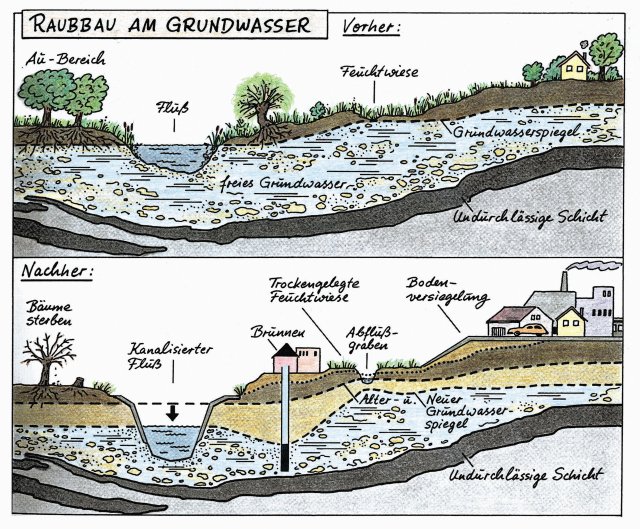
Grundlagenprojekt I Ökologie FG Bodenkunde/FG Ökohydrologie
Im Projekt werden zu Beginn des Studiums grundlegende Inhalte und thematische Schwerpunkte der Bodenkunde und der Hydrologie interdisziplinär verbunden vermittelt.
Die Funktionen von Böden (Lebensraumfunktion, ökologische Regelungsfunktion, Kreislauffunktion, Nutzungsfunktion und Archivfunktion – siehe Bundesbodenschutzgesetz BBodSchGes) sind eng mit dem Wasserhaushalt von Böden und Landschaften verbunden. Der Zustand von Gewässern (inkl. Grundwasser siehe Wasserhaushaltsgesetz WHG) und deren Ökosystemdienstleistungen (MEA 2005)- versorgende, regulierende, kulturelle und unterstützende - wiederum hängen stark von den mit ihnen in Verbindung stehenden Böden ab.
- Trainer/in: Björn Kluge
- Trainer/in: Thomas Nehls
- Trainer/in: Josephina Neumann
- Trainer/in: Anne Wagner
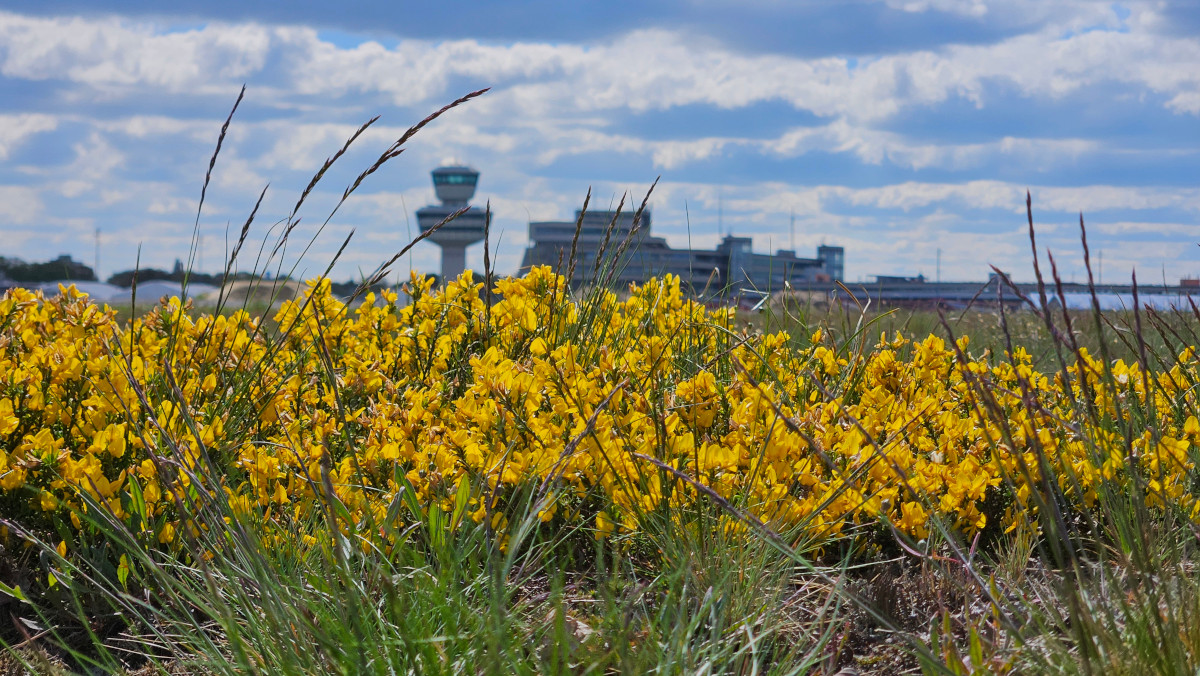
Dieses Wahlpflichmodul ist geeignet für Studierende im Master Stadtökologie, im Master ÖkUP und im Bachelor ÖkUP in der Profilierungsphase. Das Modul erstreckt sich über 2 Semester: Pflanzen in der Stadt I mit freilandökologischem Schwerpunkt im Sommersemester und Pflanzen in der Stadt II im folgenden Wintersemester mit einem Schwerpunkt auf statistischer Analyse der Daten aus dem Sommersemester.
Neuanmeldungen sind im WiSe leider nicht möglich, weil die Modulteile aufeinander aufbauen und das Modul im SoSe begonnen hat.
- Trainer/in: Boris Schröder-Esselbach
- Trainer/in: Moritz von der Lippe
- Trainer/in: Stephanie Alexandra Kramer-Schadt
- Trainer/in: Boris Schröder-Esselbach
- Trainer/in: Birgit Seitz