
Corsi
Dieser Kurs ist ausschließlich für Menschen mit StuPo Wechsel (2014>2023) in Stadt- & Regionalplanung die "Planungskommunikation" bereits belegt haben.
- Trainer/in: Andreas Brück
Montags, 14:00 - 17:00 Uhr, Raum A 815 (Tegel) - Erster Termin: 21.10.2025
In der Lehrveranstaltung zum Wissenschaftlichen Arbeiten werden neben Wissenschaftsethik und rechtlichen Grundlagen (inkl. Urheberrecht) grundlegende Fertigkeiten der Konzeption von wissenschaftlichen Arbeiten (Text, Poster und Vortrag), der Recherche und Datenerhebung sowie der Wissensorganisation vermittelt. Darüber hinaus werden das Verfassen wissenschaftlicher Texte (Fragestellung, Bearbeitung, Ergebnisdarstellung), der Umgang mit Quellen und Zitaten sowie die technische Umsetzung wissenschaftlicher Produkte geübt
- Trainer/in: Andreas Brück
- Trainer/in: Nils Christian Michael Grube
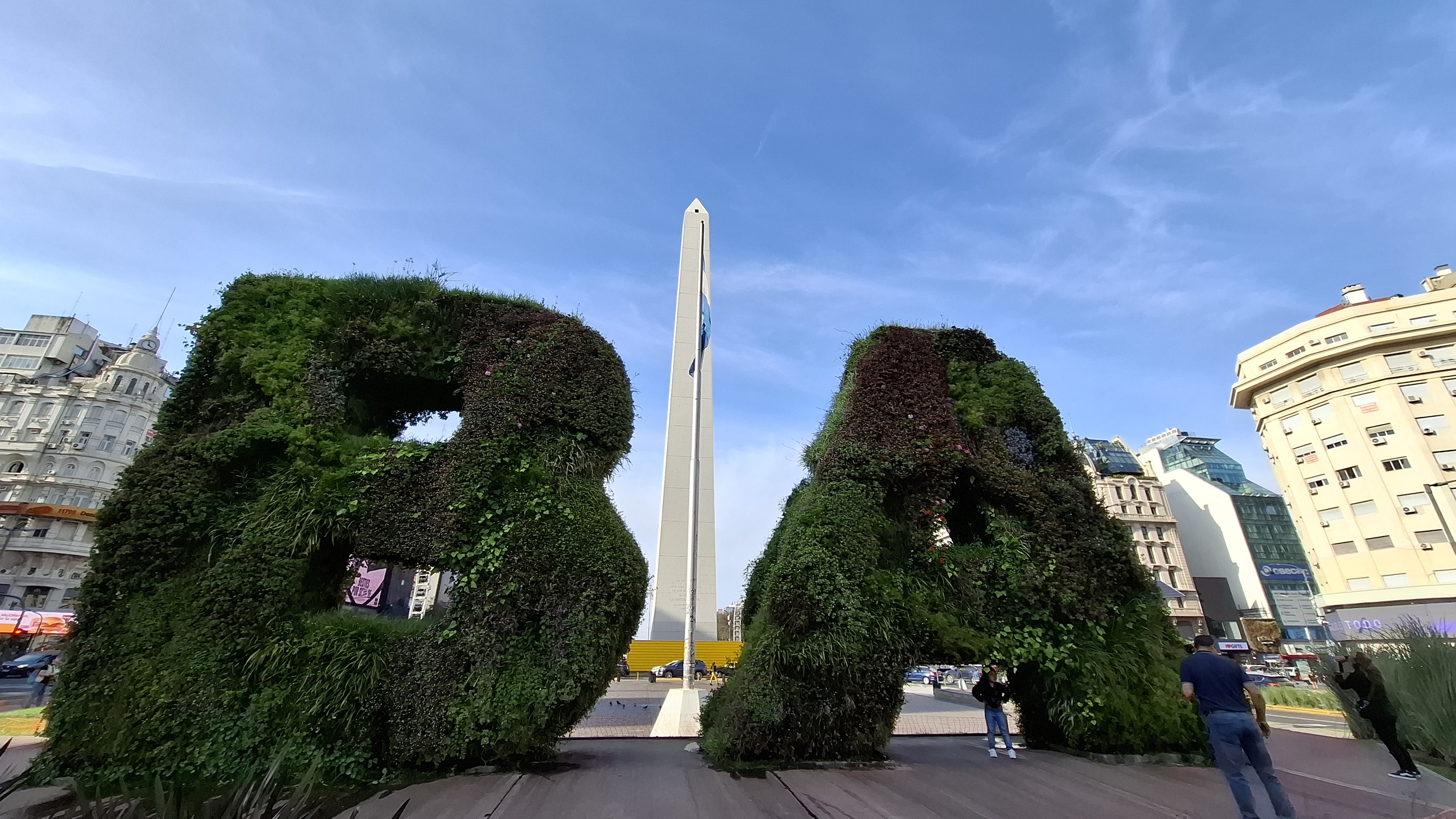
Buenos Aires has invested heavily in Transport Oriented Development (TOD), focusing on urban growth
concentrated around railway stations and mass transit hubs to reduce sprawl and promote sustainable
mobility. A flagship example is the transformation of the Microcentro in the 2010s, where Avenida 9 de
Julio – once dominated by over 20 lanes of car traffic – was converted into a Metrobus corridor with
dedicated bus lanes; cutting car traffic by about 86%, improved bus travel times by 50%, and enhanced
the area’s livability and commerce, serving over 1 million pedestrians daily and demonstrating the city’s
commitment to reallocating urban space from private vehicles to public transit and non-motorized mobility.
Building on the success of this model, Buenos Aires’ vision and future urban development projects built
on the idea of urban hubs within the transit network as places for the integration of key public transport
modes – such as extended metro lines, Metrobus corridors (a BRT system), rail upgrades as well as new
cycling infrastructure and pedestrian priority zones to prioritize accessible, efficient, and environmentally
friendly transportation to reduce congestion and emissions – while fostering social inclusion and economic
benefits, supporting the city’s future vision of transformation towards sustainable and inclusive
development, and aligning with global frameworks like the SDG’s or the New Urban Agenda.
A key project, which embodies this vision, is the upcoming TramBus T1; a fully electric, high-capacity BRT
line will run from Aeroparque Jorge Newbery airport in the north to the Sáenz Transfer Center in the south,
creating key transit nodes along a central north-south axis. Expected to start operations around 2030, T1
will improve travel times, reduce emissions, and support equitable urban development across multiple
neighborhoods, forming a critical component of Buenos Aires’ future sustainable mobility plan. Aside from
the northern terminal linking the city’s domestic airport to the metropolitan transit system, other urban
mobility hubs (and respective adjacent neighborhoods) created or improved along the T1-corridor include:
• Palermo/Plaza Italia
connection to San Martin suburban train line and SUBTE Metro Line D (+ future Line F expansion)
• Villa Crespo
connection to San Martin suburban train line and SUBTE Metro Line B
• Parque Rivadavia
connection to Sarmiento suburban train line and SUBTE Metro Line A
• Boedo
connection to Sarmiento suburban train line and SUBTE Metro Line E
• Pompeya / Sáenz Transfer Center
connection to Belgrano Sur suburban train line and SUBTE Metro Line H
But is this future vision really so gloomy? While the project seeks to improve urban integration and
accessibility of formerly underserved parts of the city, there is also critique and discussions regarding the
allocation of resources and the project’s (economic) sustainability, as well as fears regarding possible
adverse effects on the adjacent neighborhoods – e.g. fears of gentrification due to a likely rise in property
values, leading to displacement risk, the shifting of local dynamics and social and economic disruption
(e.g. small-business viability, street life).
This summer school will explore the possible effects of new urban hubs to crystallize around crossing
points along the planned T1 TramBUS, through mapping and visualization of challenges and potentials,
focusing on the combination of improving urban mobility, while adding to sustainable urban development.
- Trainer/in: Andreas Brück
- Trainer/in: Georg Müller
- Trainer/in: Felipe Andres Vergara Ovando
- Trainer/in: Andreas Brück
- Trainer/in: Jay Yeon Chun
- Trainer/in: Nikita Konwar Gogoi
- Trainer/in: Nija-Maria Linke
- Trainer/in: Georg Müller
- Trainer/in: Felipe Andres Vergara Ovando