
Courses
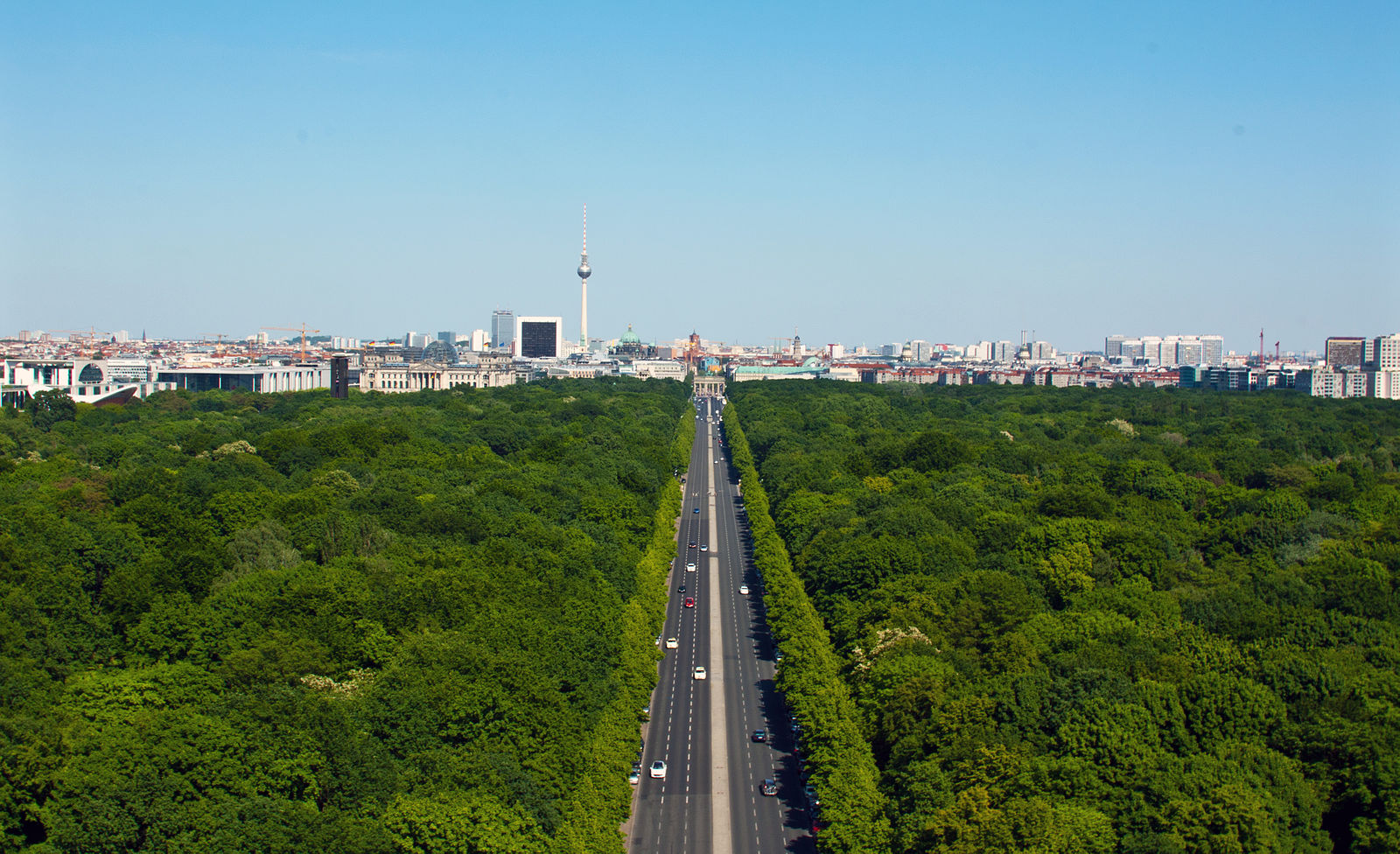
Decisions around land use and land management have wide-reaching impact on a variety of ecological metrics including soil chemistry, microclimate, and biodiversity. Contrasting the ecology of various land types ranging from urban, suburban, agricultural, or more natural habitat such as forested area, can provide us information regarding these land uses’ role in climate change, nutrient pollution, and overall ecological health. Furthermore, urban ecology always includes a human dimension, invoking sociopolitical and historical dimensions related to land use, with environmental outcomes of such decisions not evenly distributed among all populations.
Urban green spaces are widely encouraged for their potential to provide a variety of ecosystem services including climate mitigation (either locally through reduction in urban heat island effect or globally through their potential to sequester carbon), promotion of biodiversity, stormwater management, and more. As part of this course, we will collect ecologic samples from a centrally located urban park, an urban forest, and a forest on the outskirts of the city in Brandenburg. Data collected will include soil cores, plant data, and other ecologic metrics. These contexts will be contrasted to help to assess differences in ecologic conditions, considering what this may mean for urban land management.
- Trainer/in: Melina Bianca Höfling
- Trainer/in: Christopher Ryan

This course is offered by the Department for Urban Ecosystem Science by Prof. Galina Churkina, Dr. Christopher Ryan and PhD candidate Alexander Plakias.
It takes place Wednesdays 10-12 am, starting April 16th.
- Trainer/in: Galina Churkina
- Trainer/in: Melina Bianca Höfling
- Trainer/in: Varvara Kosova
- Trainer/in: Alexander Plakias
- Trainer/in: Christopher Ryan
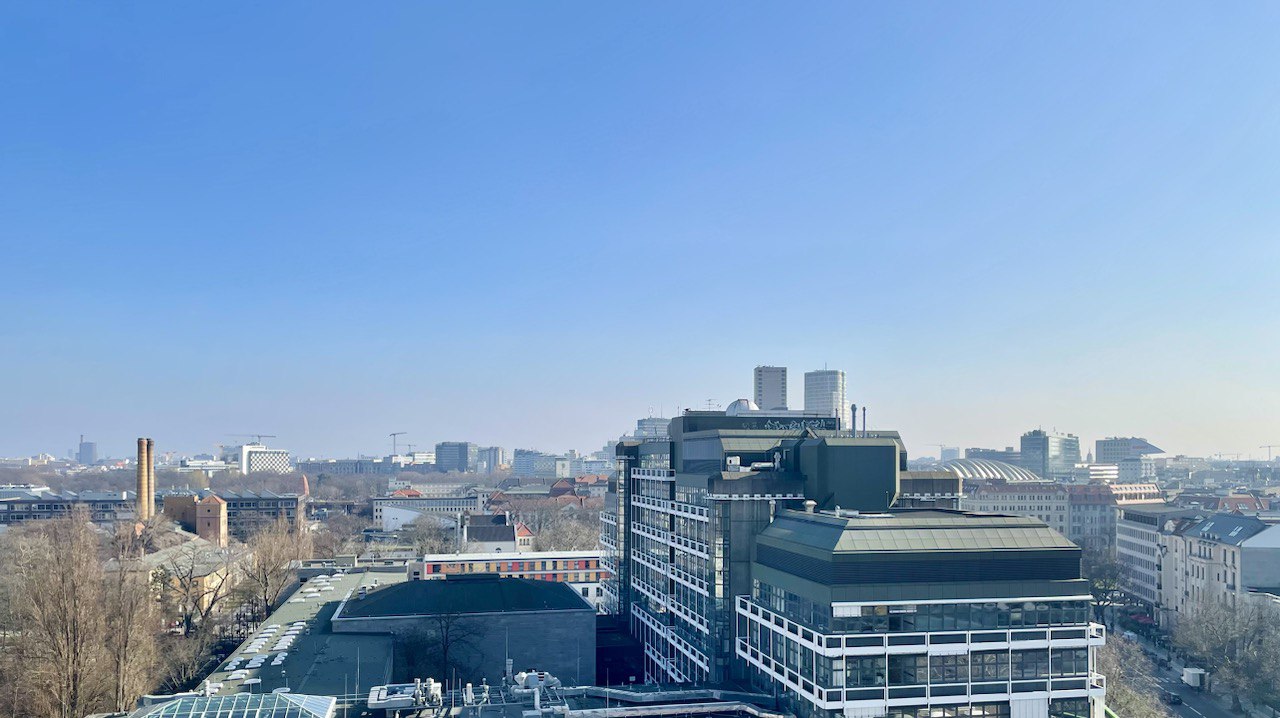
Climate-neutral city – a myth or reality?
- Trainer/in: Galina Churkina
- Trainer/in: Melina Bianca Höfling
- Trainer/in: Simon Phillips
- Trainer/in: Sebastian Schubert