
Kurser
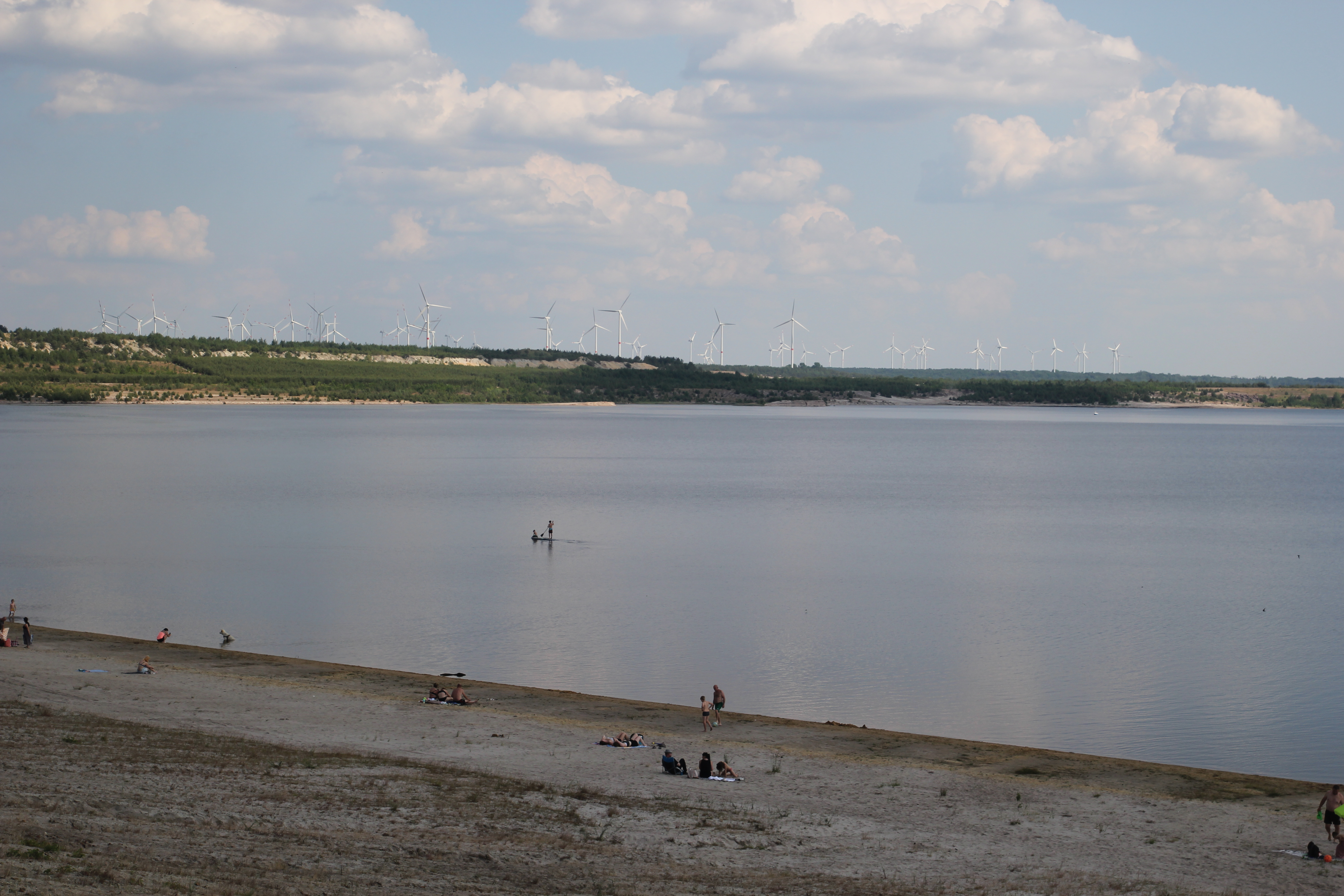
Pits, Pools, Powerfarms: Researching Energy Transition in Oberspreewald-Lausitz
Replacing fossil fuels by renewable energy sources is one of the most important steps towards climate neutrality. All forms of energy generation and supply are spatially structured and inscribed in landscapes and the built environment. Energy transition therefore means spatial transformation. This is particularly evident in Lusatia (Lausitz), an 'operational landscape' that has served as an energy factory and 'sacrifice zone' for the metropolises and industries of eastern Germany for more than 150 years. The wasted mining territories, the existing energy infrastructure, and the large structural funding programs targeted at the region have become the starting point for large-scale renewable energy projects – including wind, solar, bioenergy, and emerging hydrogen technologies. This energy transition reshapes Lusatia’s physical, social and economic fabric in unprecedented ways and poses significant challenges in negotiating conflicting land use demands, increasing local acceptance and value capture, and re-imagining a new kind of landscape and regional identity.
The research-oriented studio will explore the interplay of energy transitions, physical landscapes and regional imaginaries in the past, present and future, focusing on two rural core areas in the Oberspreewald-Lausitz district. Student groups will use different research methods: A new materialism approach and GIS tools will be used to investigate and map the spatial logics of different energy sources; value chains, actor networks and regulatory frameworks of renewable energy production will be analysed; and planning governance, imaginaries and visions will be assessed. After an extended analysis phase, students can (a) elaborate individual research proposals (e.g. for a master's thesis) or (b) develop a future scenario or development strategy for the focus area. The studio will include guest lectures, collaborations with BTU Cottbus and local stakeholders, and collective and individual field trips. Studio languages will be English and German.
- Trainer/in: Iman Atwa
- Trainer/in: Abde Lilith Batchati
- Trainer/in: David Bauer
- Trainer/in: Anke Hagemann
- Trainer/in: Lukas Pappert
- Trainer/in: Aikaterini Tzouvala
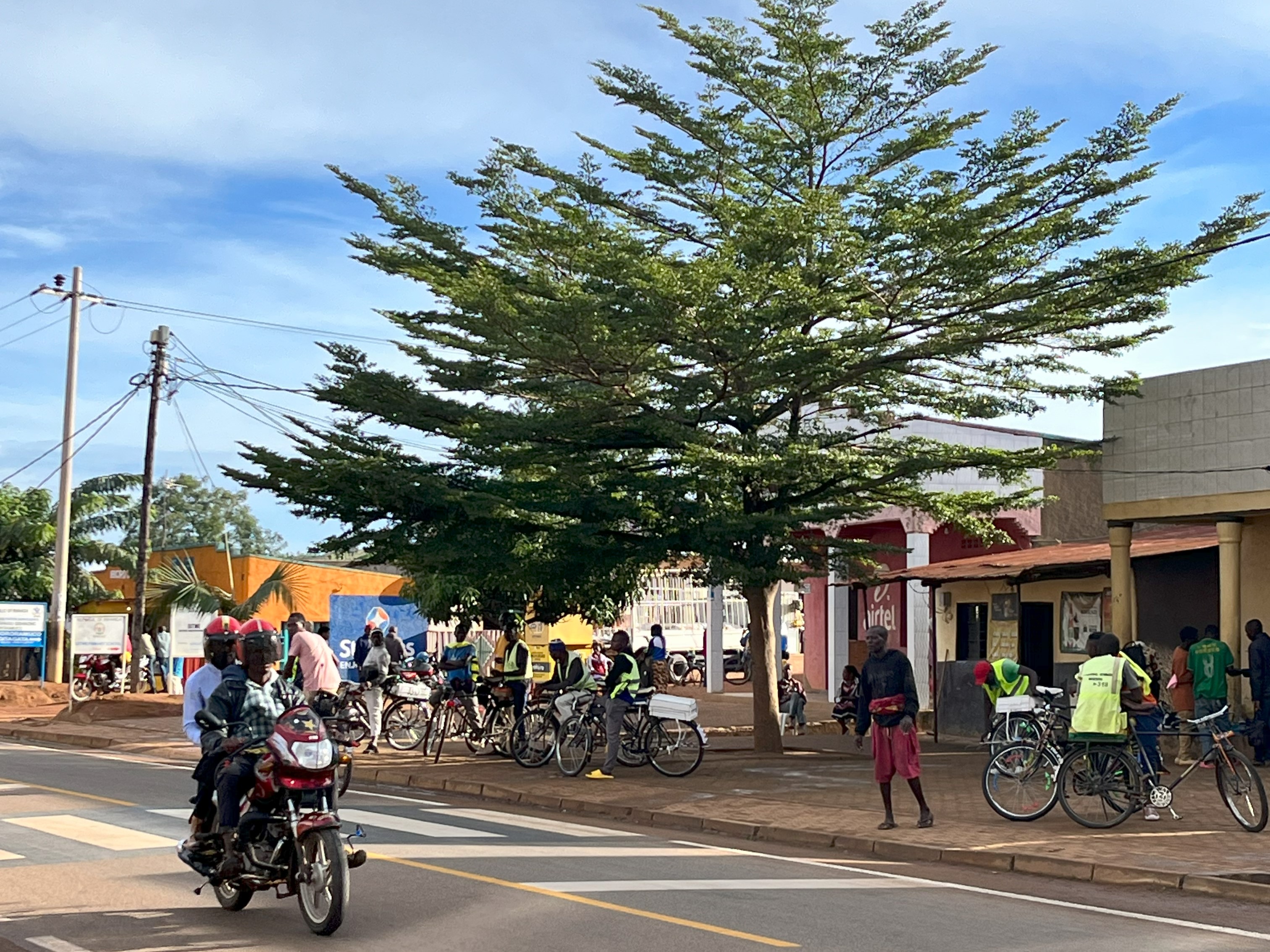
Sustainable Mobility and Urban Governance
Shaping inclusive transport systems in low- and middle-income countries through co-design processes
This online seminar will introduce approaches to decarbonise the transport sector and and link urban and mobility planning with case studies from Asia, Africa and Latin America. The interplay between synergies and co-benefits of sustainable mobility measures will be highlighted as well as the sectoral linkages between energy, mobility, and urban infrastructures in different geographic settings will be a key focus. The concepts will consider policy and finance aspects and apply co-development approaches. Insights from decision-makers, technical staff and entrepreneurs from partner cities will be shared to highlight effective governance approaches.
This studio supports on-going research and implementation projects through improving synergies between key sectors and fostering local innovation in transformative living labs with the aim to contribute to sustainable urban development.
The seminar is realised in cooperation with UN-Habitat, the Massachusetts Institute of Technology, the Wuppertal Institute and local project partners.
- Trainer/in: Oliver Peter Lah
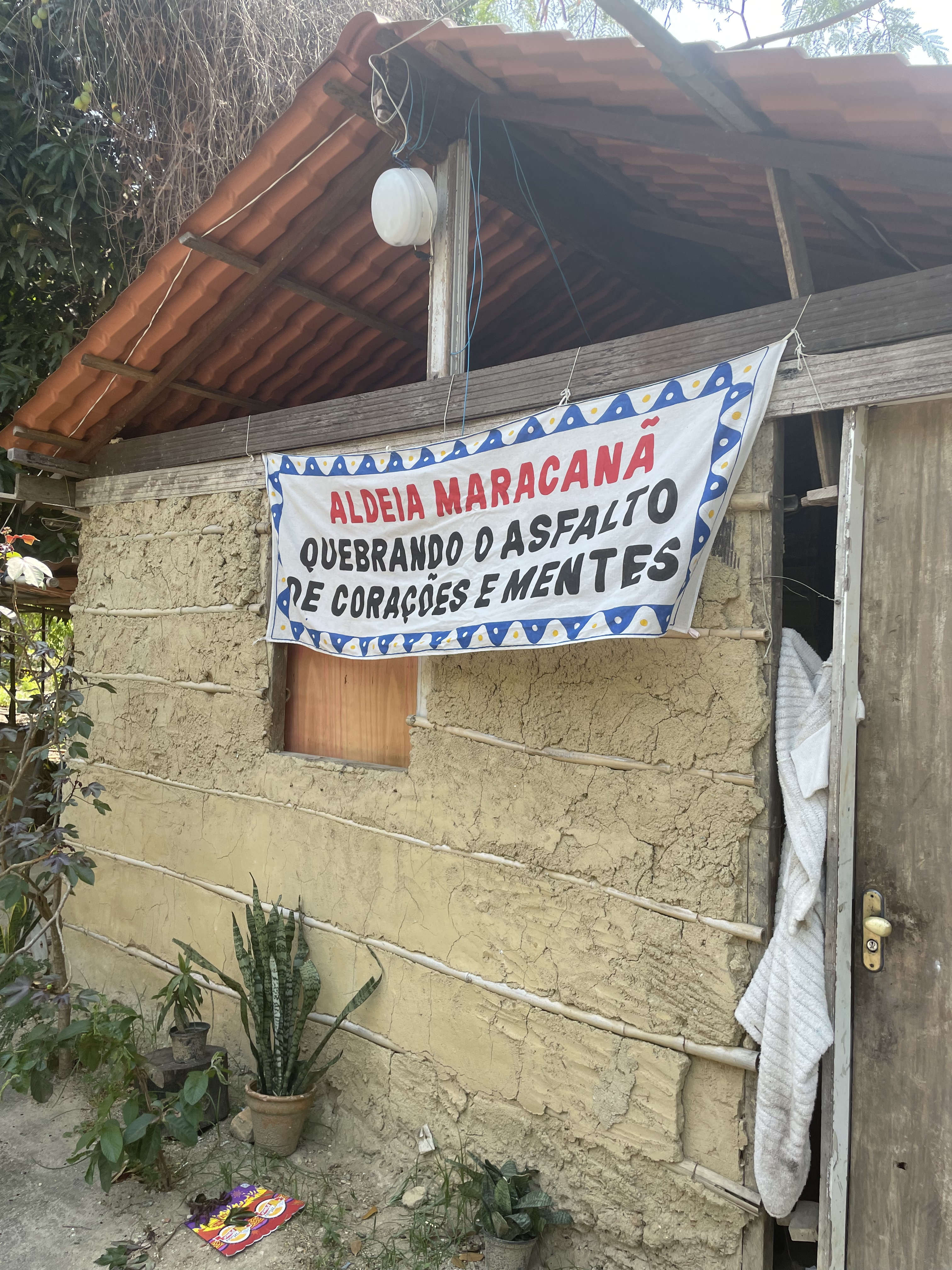
Learning from Insurgent Practices in Times of Climate Emergency
Global urbanization, based on extractive logics of production and living, poses a critical threat to planetary sustainability. Climate injustice and environmental racism highlight that vulnerable communities and countries that have contributed least to the current scenario are likely to be the most affected ones. Beyond that, we observe that in different contexts, oppressed and dispossessed people on the margins of capitalism – campesinos, indigenous, traditional communities (African descendant, riverine, etc) – have a lot to teach us in terms of organizing practices and insurgent ways of living that resist both the advance of climate emergency in their territories and the consequences of a neoliberal development system that destroys their spaces and ways of life. In 2025, COP30 will be held in the Amazonian city of Belém, Brazil. In the context of extreme climate events in Brazil and the world, we continue to witness the ongoing exploitation of people and nature by agribusiness, mining and oil corporations. With a critical approach towards events such as COP 30, this research-based studio aims to investigate counter-hegemonic forms of inhabitation performed by grass-roots groups. Their society-nature relations have the potential to tension hegemonic modes of urban development, redesign spatial relations and promote innovative and more sustainable modes of living, building and producing. During the studio, students will engage through inputs and conversations with different international actors, work on diverse case studies and discuss counter-hegemonic formats of representing and understanding spaces.
The Studio is developed in cooperation with Fernanda Petrus (UPO), Aman Azevedo (UFRJ) and Francesca Ceola (TUB). It is also connected to the X-Tutorial course The Earth we Tread and will be linked to an excursion to Brazil in the winter semester, where students will participate in a workshop in cooperation with Brazilian universities and other actors.
- Trainer/in: Iman Atwa
- Trainer/in: Abde Lilith Batchati
- Trainer/in: Francesca Ceola
- Trainer/in: Juliana Soares Gomes Canedo
- Trainer/in: Aikaterini Tzouvala
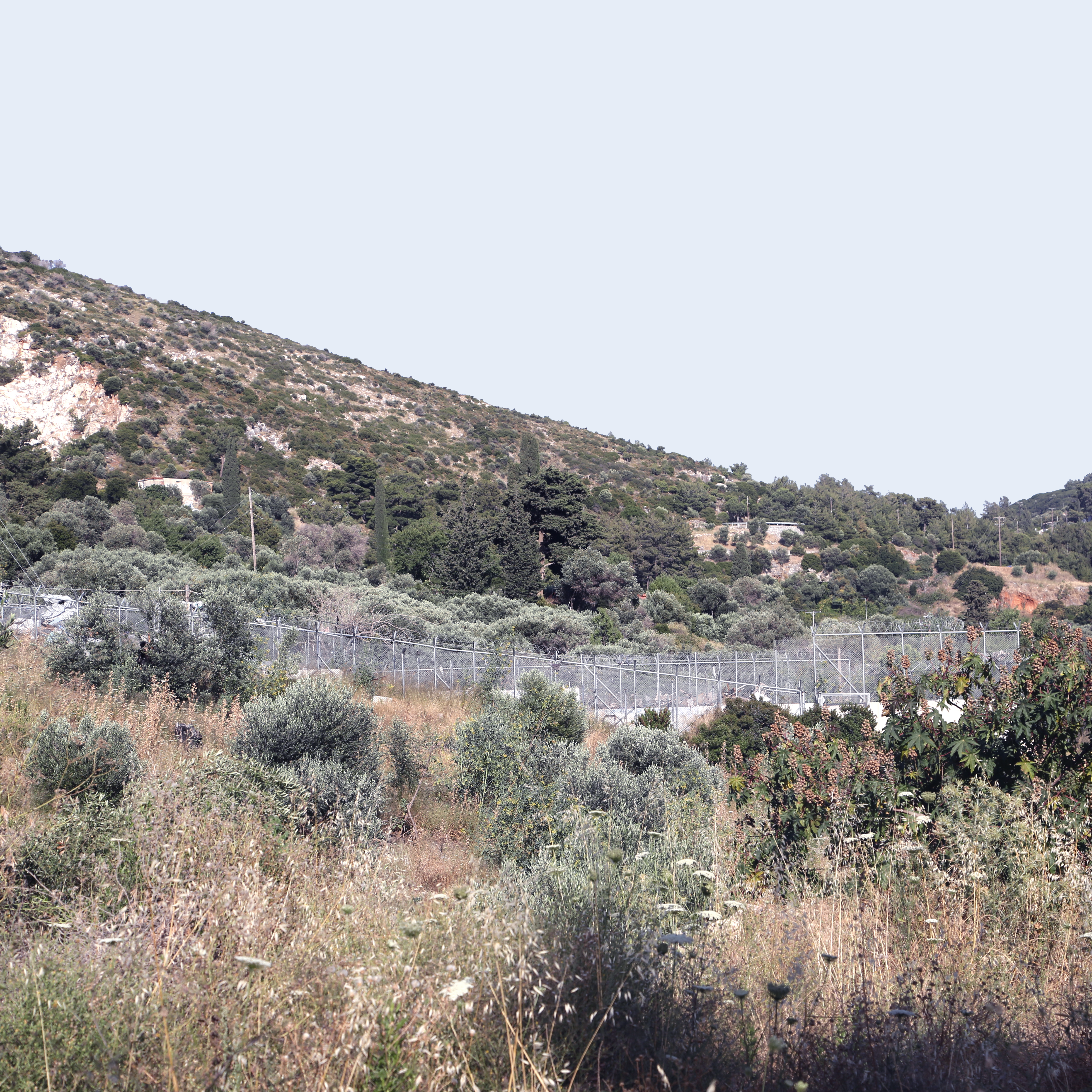
Borders in Transition II
“Borders in Transition” is a student-led peer-to-peer teaching project that explores the concept of
borders through a spatial lens and unpacks the complex layers that configure border territories.
We understand borders as physical and symbolic constructs, separating and connecting at the
same time, and shaping urban and rural landscapes, identities, and power dynamics. While
globalization has led us to a reductive understanding of borders as a way to regulate the flow of
people, goods and information, we propose the concept of “borderlands” to study how
dynamically changing policies, land use, development and infrastructure impact on space. As a
result, borderlands are shaped by conflicts and contradictions. Additionally, as borders adapt to
networks, their influence extends beyond traditional linear boundaries to include various types of
spatialities and locations, such as airports, marine ports, and refugee camps.
Borders in Transition II will study human and non-human mobilities across tangible and intangible
borders, as well as the different forms of border spatialities encountered inside state “bodies” and
at their margins. The seminar will create a shared space for discussion and exchange, and work
on different case studies in groups. We will start the semester with reading sessions, inputs by
guests and students, and continue by focusing on student-driven project work. The seminar is
largely shaped by student-selected subtopics and methods, and is based on horizontal, peer-topeer
presentations and feedback sessions. At the end of the semester, we will collectively coproduce
an outcome which comprises all student projects and reflects on learnings across all
case studies.
- Trainer/in: Simten Önen
- Trainer/in: Ioanna Protopapadaki