
Kurzy
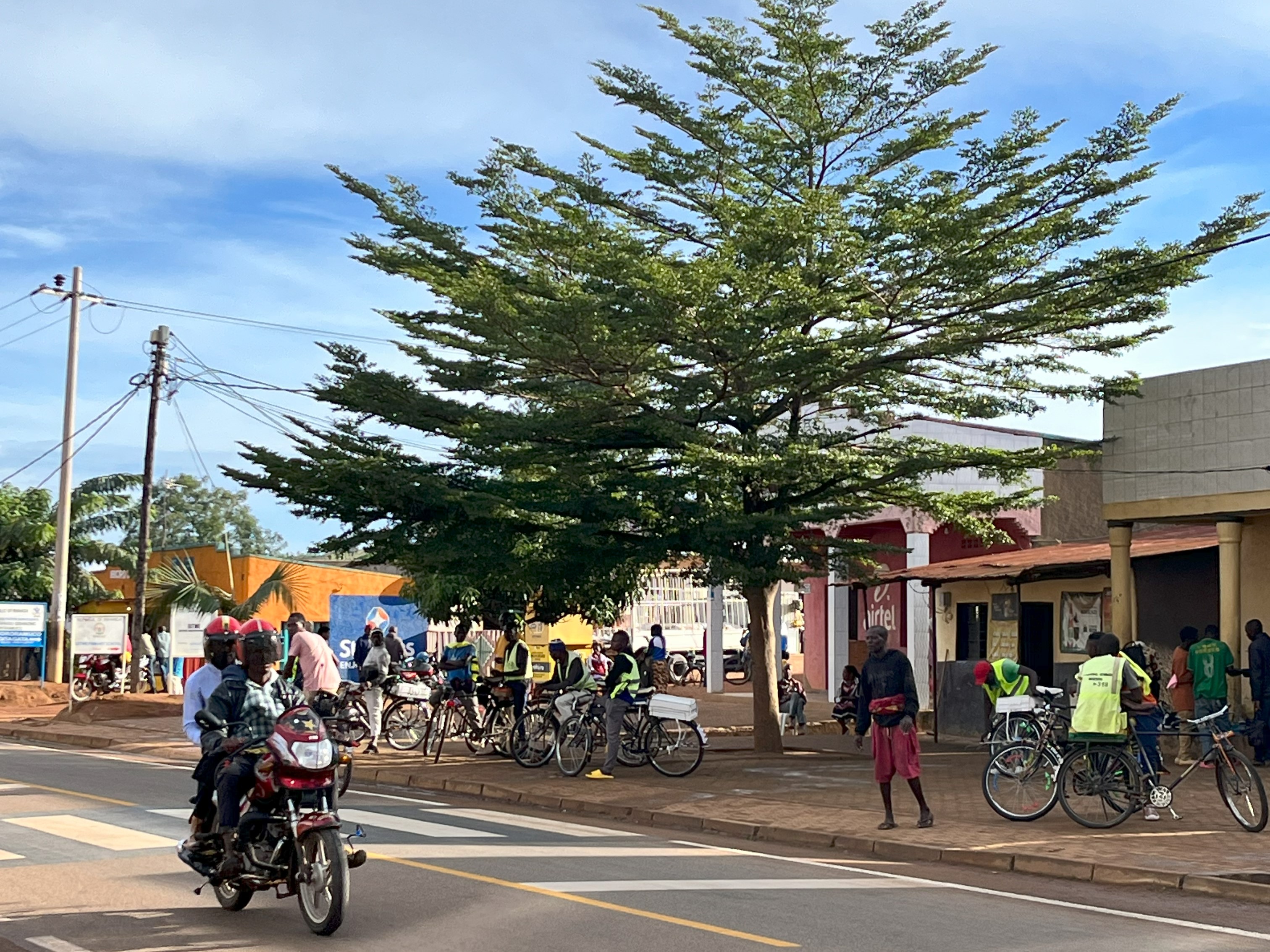
Sustainable Mobility and Urban Governance
Shaping inclusive transport systems in low- and middle-income countries through co-design processes
This online seminar will introduce approaches to decarbonise the transport sector and and link urban and mobility planning with case studies from Asia, Africa and Latin America. The interplay between synergies and co-benefits of sustainable mobility measures will be highlighted as well as the sectoral linkages between energy, mobility, and urban infrastructures in different geographic settings will be a key focus. The concepts will consider policy and finance aspects and apply co-development approaches. Insights from decision-makers, technical staff and entrepreneurs from partner cities will be shared to highlight effective governance approaches.
This studio supports on-going research and implementation projects through improving synergies between key sectors and fostering local innovation in transformative living labs with the aim to contribute to sustainable urban development.
The seminar is realised in cooperation with UN-Habitat, the Massachusetts Institute of Technology, the Wuppertal Institute and local project partners.
- Trainer/in: Oliver Peter Lah
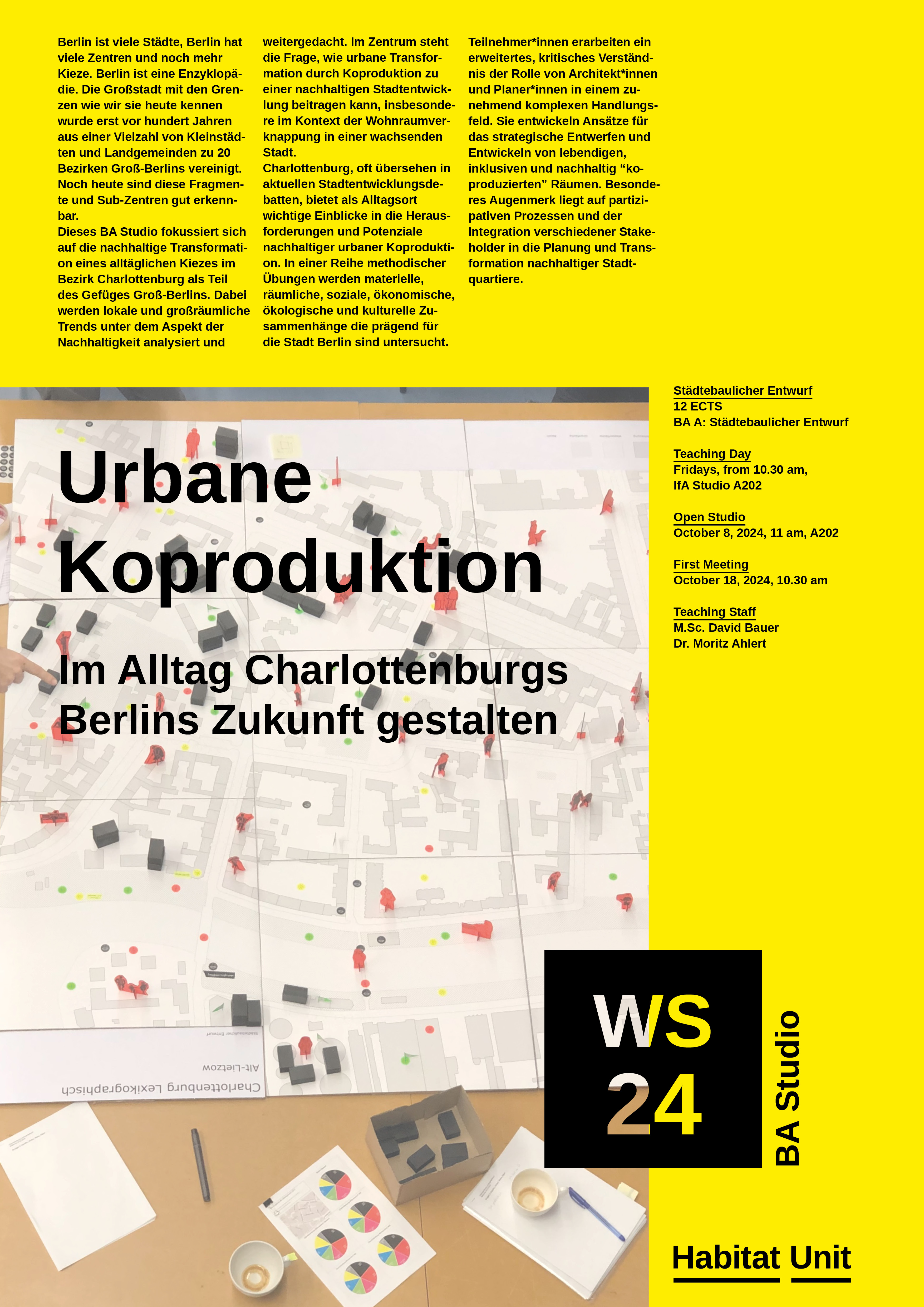
Berlin ist viele Städte, Berlin hat viele Zentren und noch mehr Kieze. Berlin ist eine Enzyklopädie. Die Großstadt mit den Grenzen wie wir sie heute kennen wurde erst vor hundert Jahren aus einer Vielzahl von Kleinstädten und Landgemeinden zu 20 Bezirken Groß-Berlins vereinigt. Noch heute sind diese Fragmente und Sub-Zentren gut erkennbar.
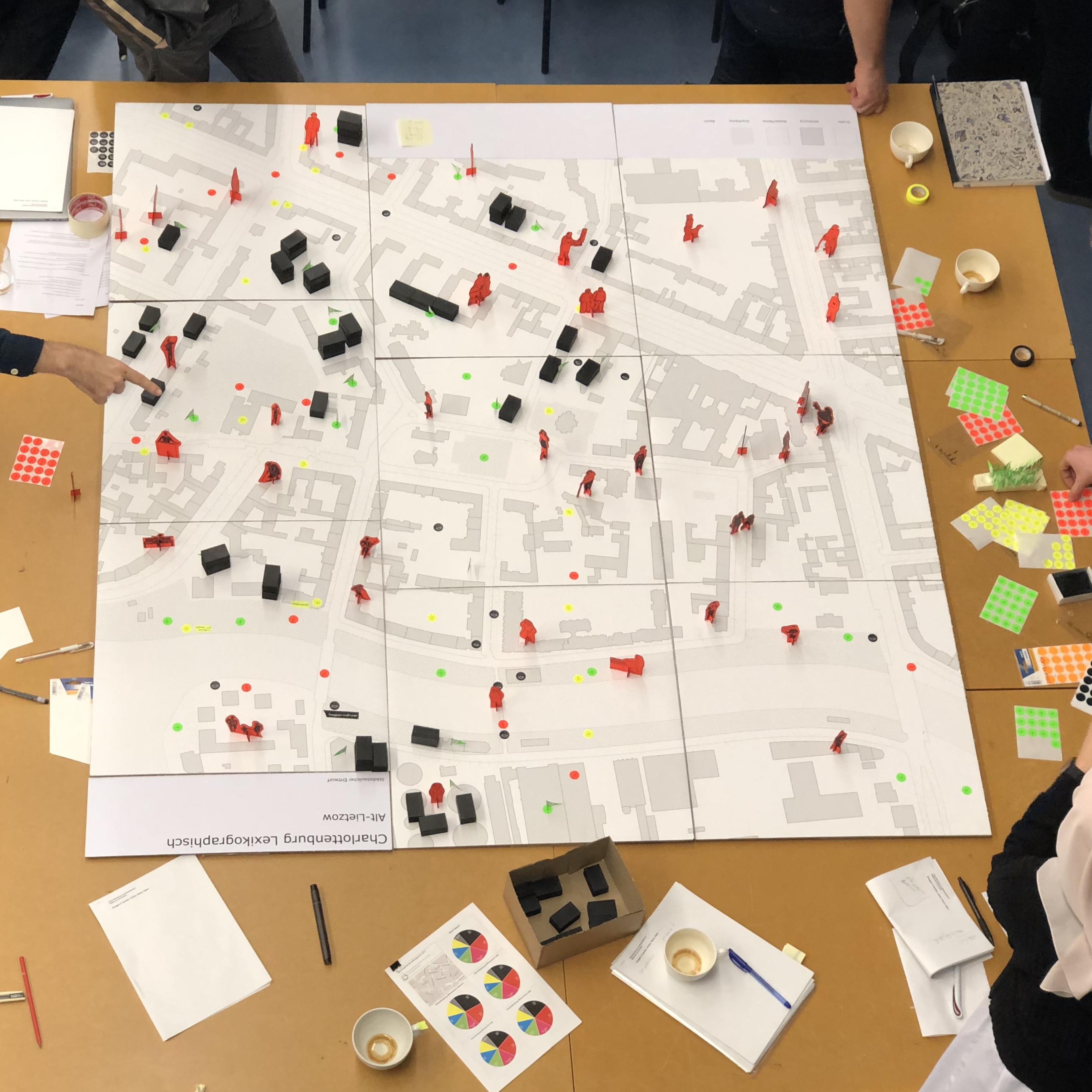
Dieses BA Studio fokussiert sich auf die nachhaltige Transformation eines alltäglichen Kiezes im Bezirk Charlottenburg als Teil des Gefüges Groß-Berlins. Dabei werden lokale und großräumliche Trends unter dem Aspekt der Nachhaltigkeit analysiert und weitergedacht. Im Zentrum steht die Frage, wie urbane Transformation durch Koproduktion zu einer nachhaltigen Stadtentwicklung beitragen kann, insbesondere im Kontext der Wohnraumverknappung in einer wachsenden Stadt.
Charlottenburg, oft übersehen in aktuellen Stadtentwicklungsdebatten, bietet als Alltagsort wichtige Einblicke in die Herausforderungen und Potenziale nachhaltiger urbaner Koproduktion. In einer Reihe methodischer Übungen werden materielle, räumliche, soziale, ökonomische, ökologische und kulturelle Zusammenhänge die prägend für die Stadt Berlin sind untersucht.
Teilnehmer*innen erarbeiten ein erweitertes, kritisches Verständnis der Rolle von Architekt*innen und Planer*innen in einem zunehmend komplexen Handlungsfeld. Sie entwickeln Ansätze für das strategische Entwerfen und Entwickeln von lebendigen, inklusiven und nachhaltig “koproduzierten” Räumen. Besonderes Augenmerk liegt auf partizipativen Prozessen und der Integration verschiedener Stakeholder in die Planung und Transformation nachhaltiger Stadtquartiere.
Teaching Day
Fridays, from 10.30 am,
IfA Studio A202
Open Studio
October 08, 2024, 11.00 am
IfA Studio A202
First Meeting
October 18, 2024, 10.30 am
Teaching Staff
M.Sc. David Bauer
Dr. Moritz Ahlert
Tutor
Katerina Tzouvala
- Trainer/in: Moritz Ahlert
- Trainer/in: David Bauer
- Trainer/in: Anke Hagemann
- Trainer/in: Aikaterini Tzouvala
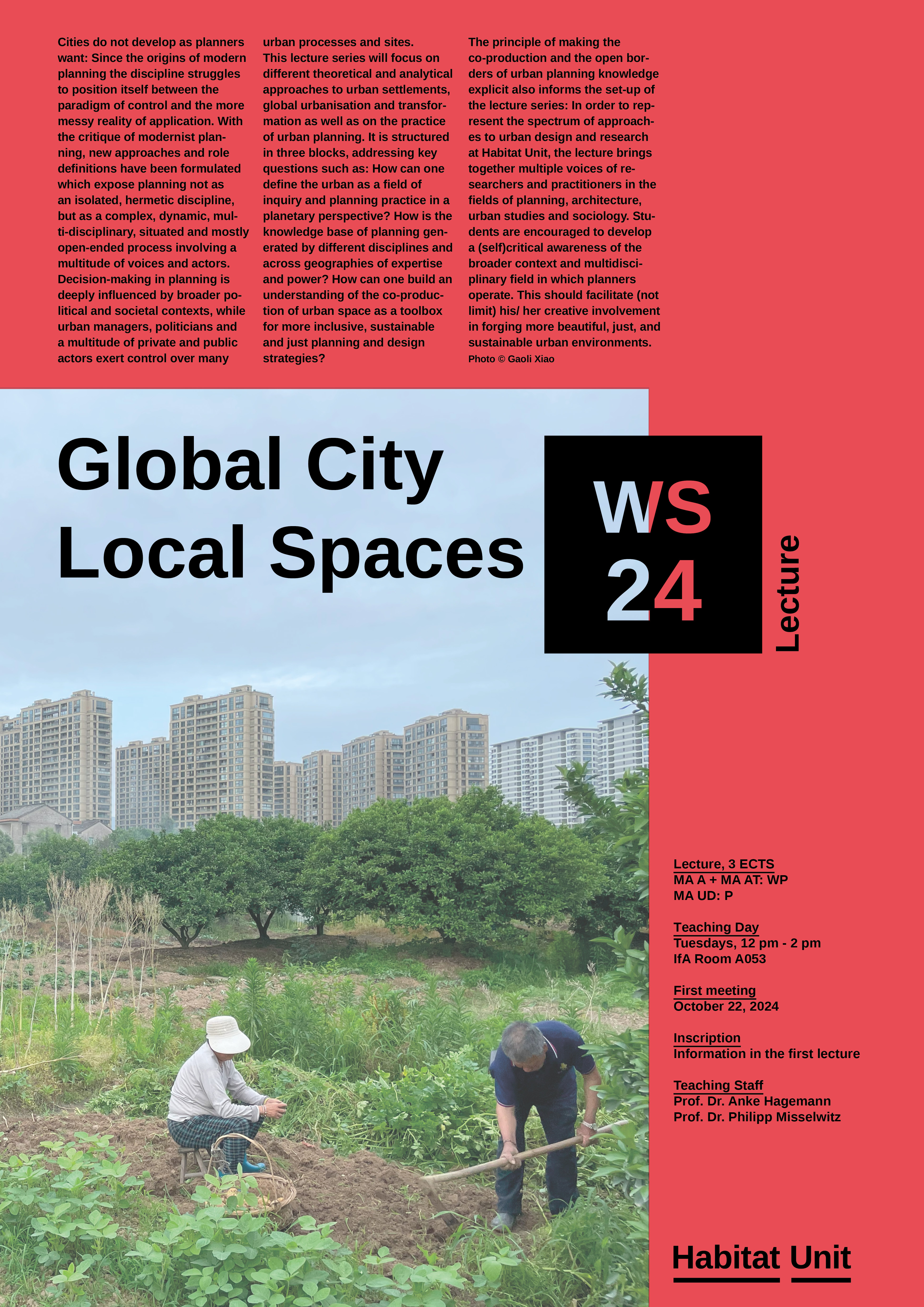
Global City Local Spaces
This lecture series will focus on different theoretical and analytical approaches to urban settlements, global urbanisation and transformation as well as on the practice of urban planning. It is structured in three blocks, addressing key questions such as: How can one define the urban as a field of inquiry and planning practice in a planetary perspective? How is the knowledge base of planning generated by different disciplines and across geographies of expertise and power? How can one build an understanding of the co-production of urban space as a toolbox for more inclusionary, sustainable and just planning and design strategies?
The principle of making the co-production and the open borders of urban planning knowledge explicit also informs the set-up of the lecture series: In order to represent the spectrum of approaches to urban design and research at Habitat Unit, the lecture brings together multiple voices by researchers and practitioners in the fields of planning, architecture, urban studies and sociology. Students are encouraged to develop a (self)critical awareness of the broader context and multidisciplinary field in which planners operate. This should facilitate (not limit) his/ her creative involvement in forging more beautiful, just, and sustainable urban environments.Photo © Anke Hagemann
- Trainer/in: Abde Lilith Batchati
- Trainer/in: Anke Hagemann
- Trainer/in: Philipp Misselwitz
- Trainer/in: Aikaterini Tzouvala
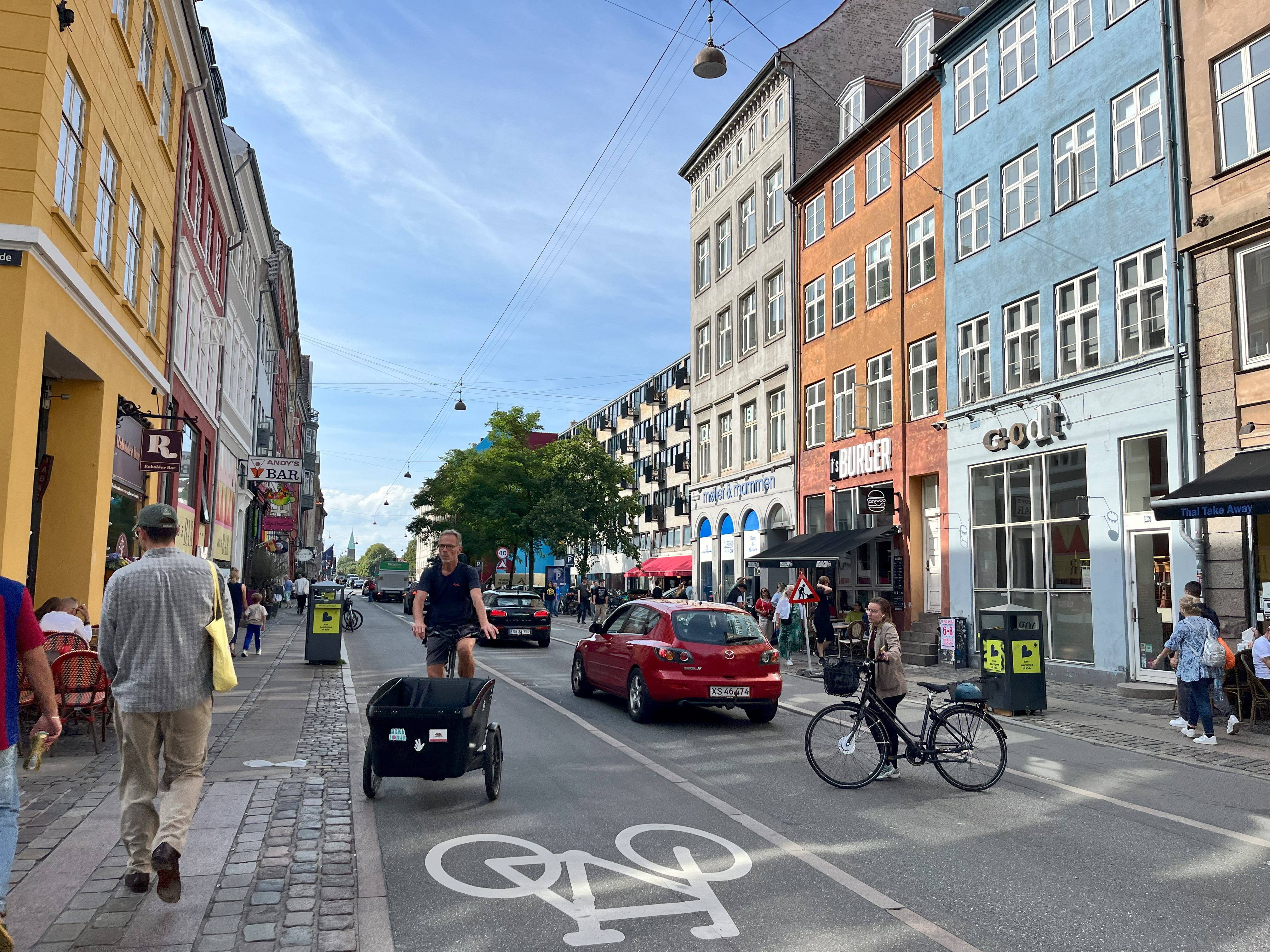
Transformative Urban Living Labs
Enablers for resilient mobility services in urban and peri-urban areas
The transformation of cities towards sustainable and inclusive development is a key objective of global agendas such as the SDGs or the New Urban Agenda. If an integrated policy and planning approach is applied, there is substantial potential to improve urban access, air quality, safety, and quality of life in cities and reduce greenhouse gas emissions. The transformative urban living lab studio at TU Berlin is designed to support this process by focusing on improving urban mobility solutions and connectivity and fostering local innovation to contribute to sustainable urban development. The design studio aims to foster co-creation and the transfer of knowledge and innovative ideas between universities and the private and public sectors. In cooperation with local municipalities and universities, we address key urban challenges by embedding sustainable, new and shared mobility into urban and peri-urban settings. This work incorporates local solutions in partner cities across the globe with physical and digital design concepts tested in leading Living Labs.
The studio is is taught majorly online, guided by international partners and linked to study groups of other partner universities in the Urban Living Lab Center (ULLC) context. It is implemented in collaboration with the ULLC, which is a Collaborating Center of the United Nations Human Settlements Programme (UN-Habitat). It is co-hosted by Massachusetts Institute of Technology (MIT), the Technische Universität Berlin, the Wuppertal Institute, and regional partner universities and network partners, who will contribute to the design studio.
- Trainer/in: Vera-Marie Andrieu
- Trainer/in: Abde Lilith Batchati
- Trainer/in: Oliver Peter Lah
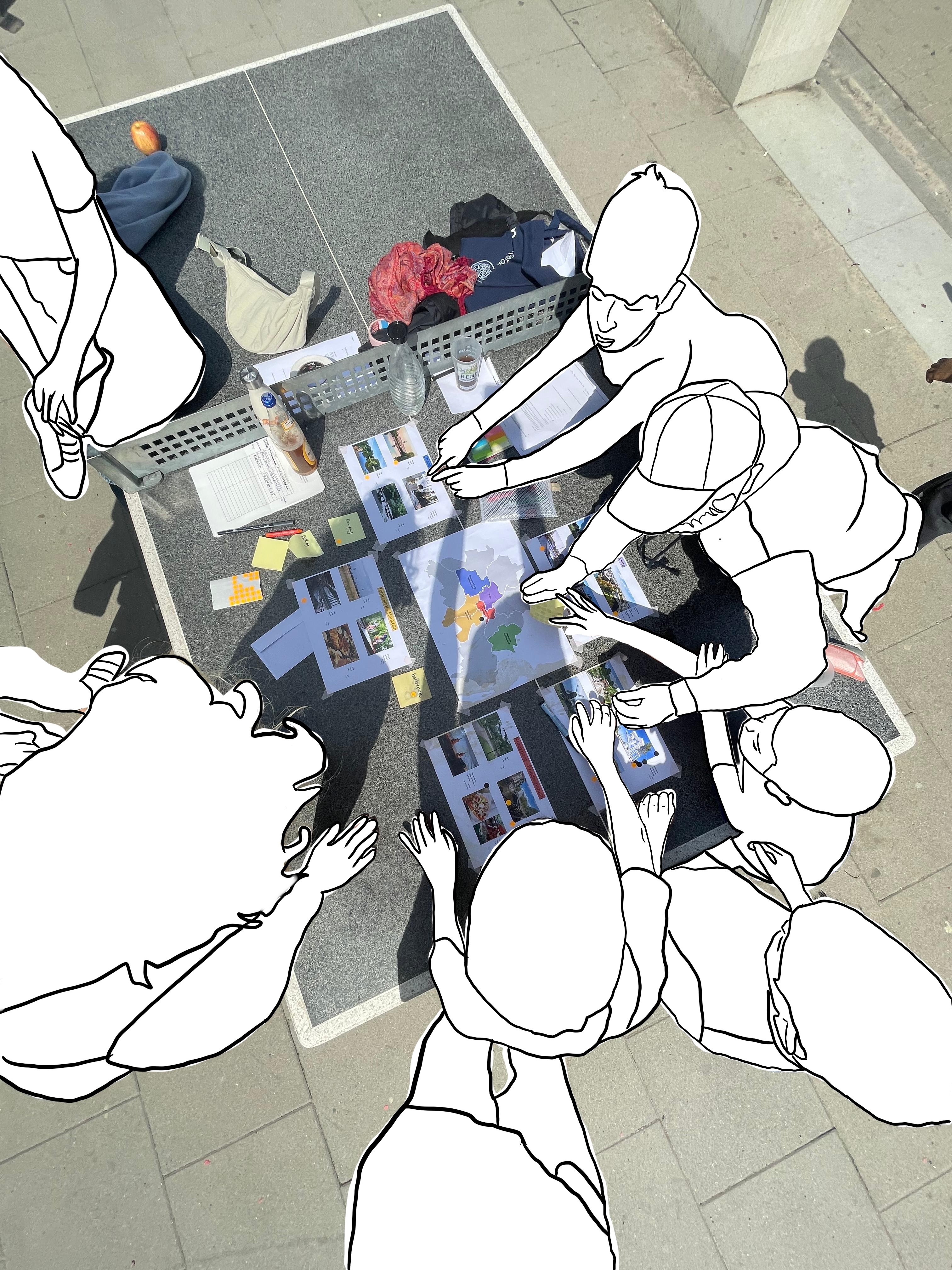
Engaging Berlin‘s Youth in Urban Planning
Berlin as a migrant and activist city
The modern history of Berlin is shaped by various events: war, fascism, destruction, rehabilitation, protests, social movements, activism and migration. In this studio, we would like to focus on two of these aspects: activism and migration. The city is renowned for its openness and diversity, and has been a magnet for people from across the globe, creating both a rich and conflictive territory where multiple stories and narratives co-exist. Alongside its diverse population, Berlin’s history of political upheaval and social change has cultivated a robust spirit of activism. From the resistance movements during the Cold War to contemporary advocacy for social justice, affordable housing, environmental sustainability, and human rights, Berliners are renowned for their engagement and activism.
In this context, active participation of citizens in decisions regarding urban policies and city planning has been at the center of many struggles. Despite the existence of effective mechanisms and tools for societal participation, the active engagement of its citizens is not equally performed. Many issues contribute to this imbalance - cultural barriers, language, age, among others. Teenagers are often disregarded in participation processes. It is extremely important to engage them since they are the ones who will actually experience and be affected by urban transformation. By working with different groups of teenagers we aim to both understand their perspective and contribute to create self-awareness of their role in urban planning and design.
In cooperation with writer Ellen Schindler, author of “Metro 010”, we will explore through different collaborative methodologies the spatial experience and imagination of teenagers from different social groups. During the Studio we will co-develop spatial narratives and re-design a manifesto for participation of teenagers in urban planning and design.
- Trainer/in: Moritz Ahlert
- Trainer/in: Qosay Amer
- Trainer/in: Abde Lilith Batchati
- Trainer/in: Juliana Soares Gomes Canedo
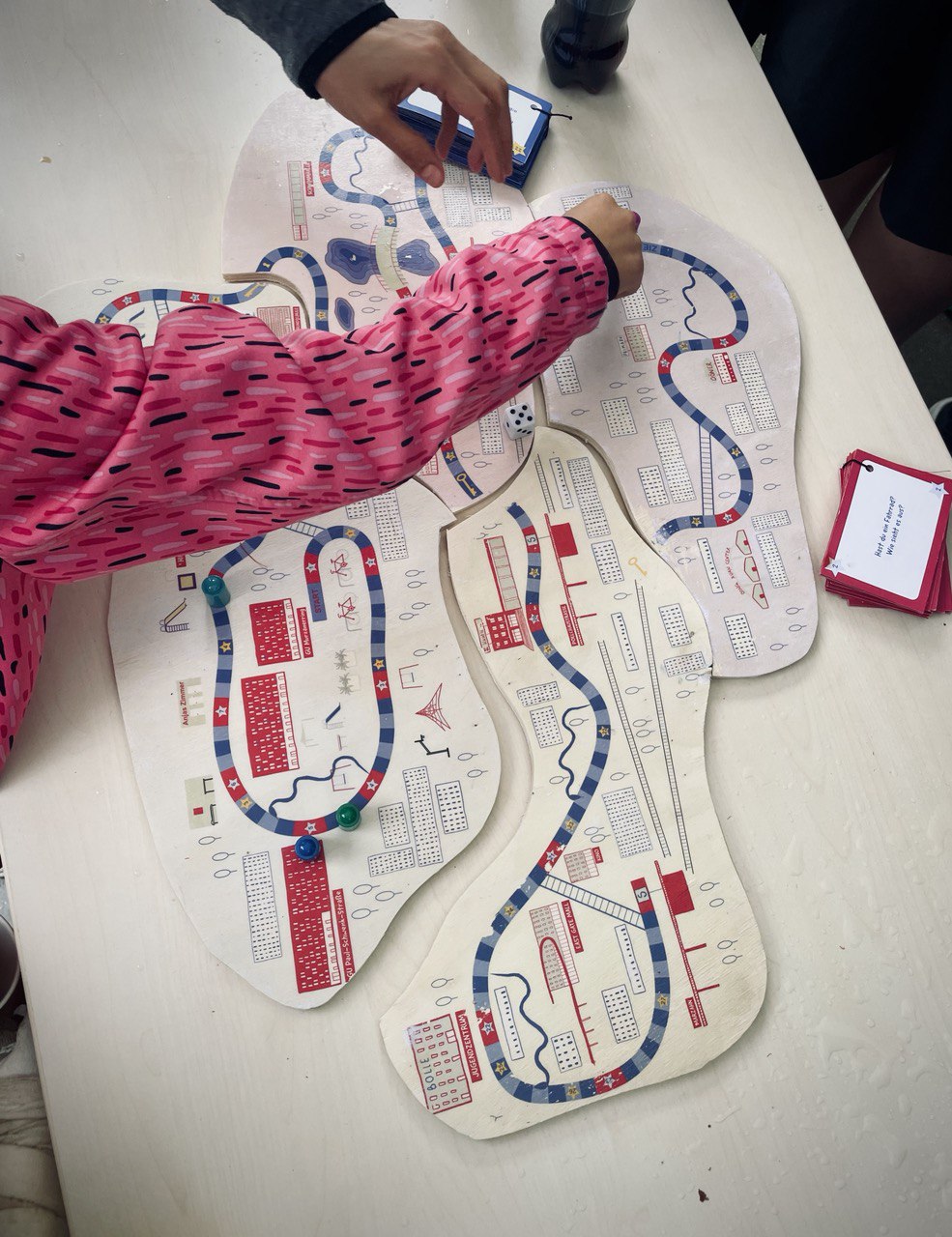
Playful Inclusion: From the Shelter to the City
Co-learning through games
How can we develop inclusive approaches to generate socio-spatial knowledge for building more inclusive cities?
In our co-learning research group “Playful Inclusion: From the Shelter to the City” we want to adopt a critical feminist perspective to intervene in the ongoing discourse of researching the socio-spatial dynamics of refugee camps and how these dynamics contribute to enhance or diminish the inclusion of newcomers in the city. In this project we will adopt the innovative approach of conducting research on social and spatial dynamics using participatively designed games. Through games we will discuss and collect the experiences and needs of children in a refugee camp and its neighborhood in Berlin-Marzahn.
Our co-learning research has a collaborative methodology that attempts to move away from traditional top-down and bottom-up frameworks through a horizontal process of knowledge exchange between academic research, relevant literatures, collectives, activists, and space users.
Students, as co-researchers, will engage in literature reviews and critical discussions within the group, as well as with activists and collectives, to co-create the theoretical framework of the research. In addition, students will design and perform socio-spatial games in collaboration with children and camp workers, write field notes, conduct interviews, and finally analyze their findings in the group to collaboratively and playfully produce knowledge and include unheard voices in the discourse of building inclusive environments.
The project is interdisciplinary and open to motivated undergraduate and graduate students with a background or interest in architecture, urban planning, social sciences, and students from related fields who are interested in engaging in such a co-learning socio-spatial research project through games. We strongly encourage students from diverse backgrounds, languages, and ethnicities to participate in this course.
This is an X-Student research group funded by the Federal Ministry of Education and Research (BMBF) and the State of Berlin as part of the Excellence Strategy of the Federal and State Governments by the Berlin University Alliance.
- Trainer/in: Saba Barani
- Trainer/in: Abde Lilith Batchati
- Trainer/in: Juliana Soares Gomes Canedo
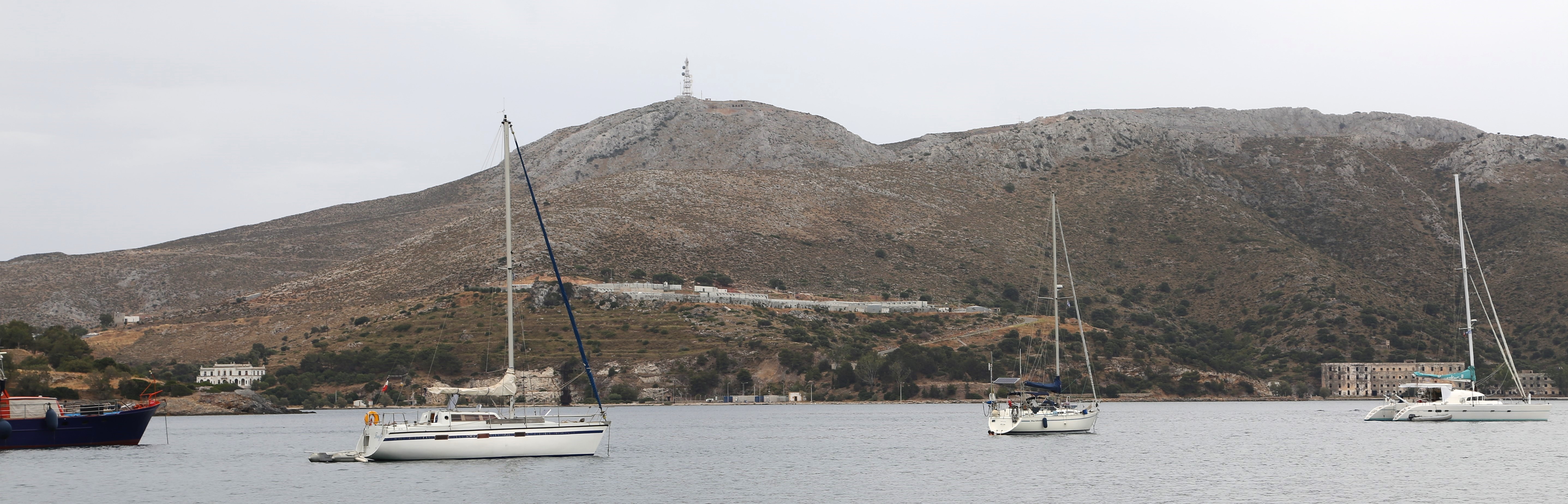
Borders in Transition
Landscapes of conflict, connection & change
The Projektwerkstatt explores the concept of borders, examining their historical, sociopolitical, and environmental dimensions, with a focus on their implications for space. It delves into the complexities of borders as both physical and symbolic constructs, as separating and connecting elements, shaping urban and rural landscapes, identities, and power dynamics. While globalization is changing how we define boundaries by imposing new connections and promoting the interflow of people and goods, border territories are under constant change regarding policies, land use, infrastructure, services, political conflict, pandemics, war, capital interests, and more.
As a result, cities and towns located in or near border territories often accommodate conflicts and contradictions that are reflected in their landscapes in various ways. Furthermore, as contemporary borders adapt to globalized networks, their influence extends beyond traditional linear boundaries to include various types of spatialities, such as airports, marine ports, and refugee camps. These spaces function as critical nodes in the global network and illustrate how borders are now dynamic zones rather than just lines on a map.
In this context, we will particularly focus on exploring border landscapes through two major and continuous drivers of change: migration flows and tourism. While these two drivers imply often contrasting ways of people and goods traveling, their simultaneous existence poses socio-spatial, political, and economic challenges to cities and towns located in border regions. Throughout the course of the seminar, we will create a collective space for discussion and exchange, and work on different case studies. Students are encouraged to propose their own sub-topics and methods for the creation of diverse projects by the end of the semester.
- Trainer/in: Abde Lilith Batchati
- Trainer/in: Simten Önen
- Trainer/in: Ioanna Protopapadaki
- Trainer/in: Juliana Soares Gomes Canedo