
Курсы
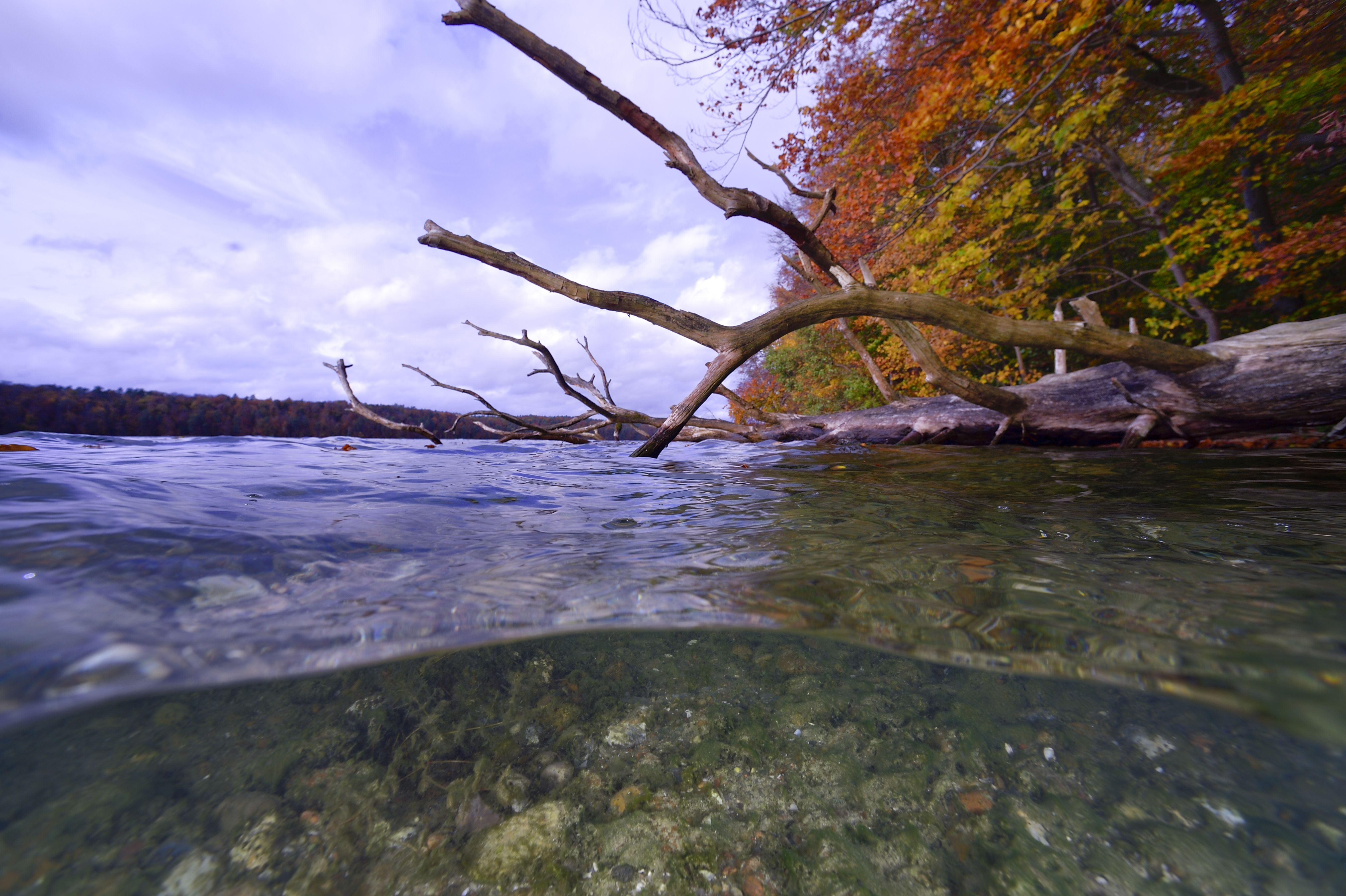
“Inland Water Ecology” comprises theoretical and practical teaching units on the ecology of standing and flowing inland waters. Lectures, student seminars and exercises are offered as an integrated course to lay the theoretical foundations during weekly two-hour sessions throughout the summer term. A complementary one-week block course in July/August will provide hands-on field and laboratory experience.
Introductory lectures will convey information on lake and stream morphogenesis and morphology; hydrology; other physical features such as mixing, heat budgets, flow and light conditions; chemical characteristics; biogeochemical cycles, particularly of carbon, nitrogen and phosphorus; dynamics of other important chemical factors such as oxygen; features of key organisms in fresh waters; the structure of planktonic and benthic communities, including the main components of the microbial loop; interactions between organisms; food webs; ecosystem processes, and ecosystem responses to anthropogenic stressors. Student seminars and exercises will enhance the content of the lectures.
These lectures will be identical for participants of Inland Water Ecology A and Inland Water Ecology B. They are currently scheduled on Mondays from 12:15 to 13:45 p.m. However, the time can be moved if participants so wish, for example to 10:15-11:45 a.m. on Mondays.
The one-week block course will take place from 29 July to 2 August (or possibly from 5-9 August) on Lake Stechlin 80 km north of Berlin. Accommodation will be provided at modest cost. It will involve field measurements and sampling in contrasting lakes or an experimental facility deployed in the lake, followed by chemical and biological analyses of the samples in the laboratory as well as data analysis, and oral presentations and discussions of the data. Participation in the block course, for which space is limited, requires attendance of the lectures and presentation of a seminar.
- Trainer/in: Jayne Vanessa Beetz
- Trainer/in: Ender Daldaban
- Trainer/in: Mark Geßner