
Kursy
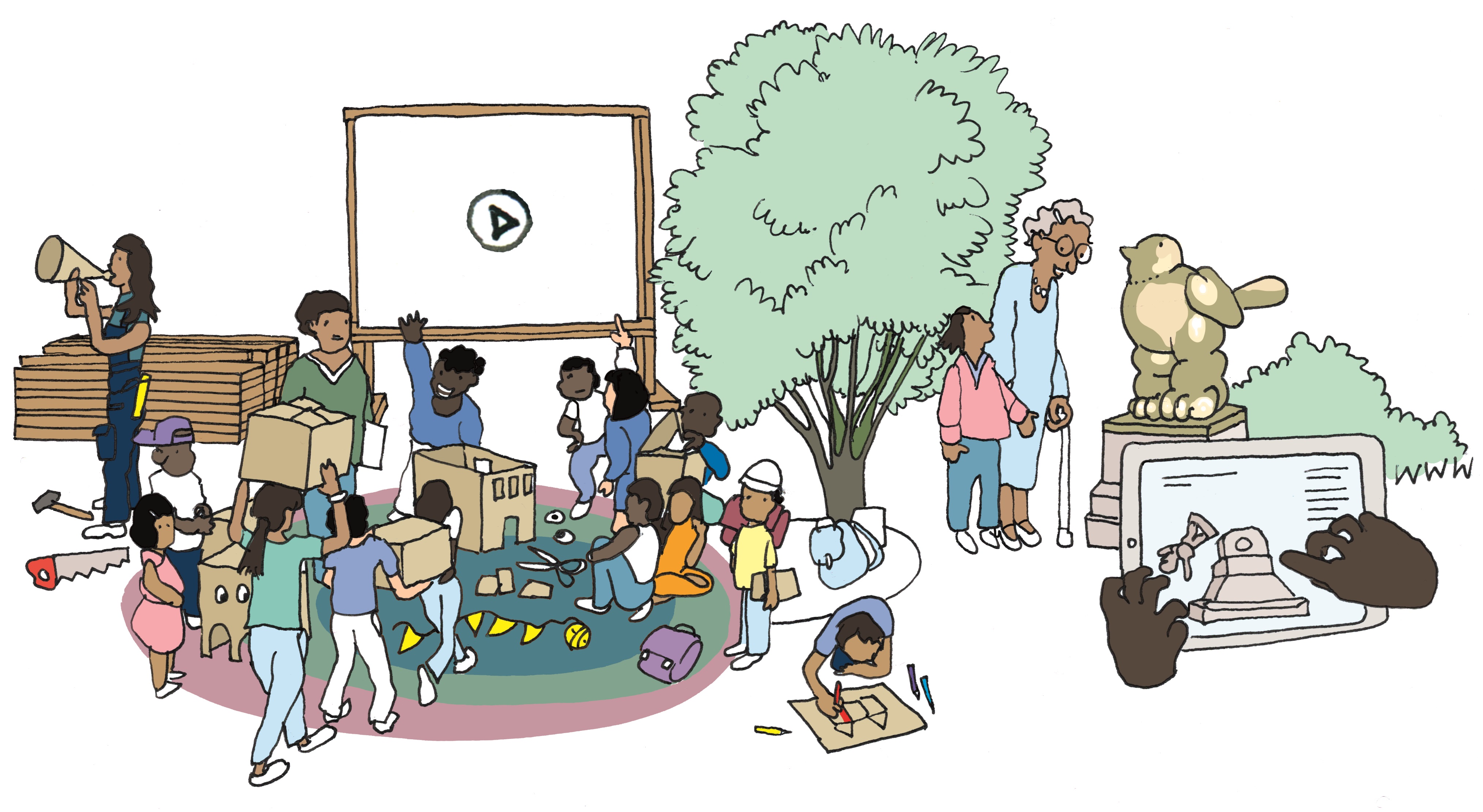
Built environment education, or BEE for children and youth is as multifaceted as its subject: the built, designed environment. BEE is also known as architecture education for young people. BEE incorporates educational activities related to cultural, arts, democratic, and environmental education. All of these types of learning activities are linked by the use of cities, buildings, places and spaces – as a subject, a context for learning and a curricular resource.
The number of initiatives dedicated to teaching about architecture and built environment has risen in the past two decades. It has become an interdisciplinary movement bringing together various professionals.
Based on this expertise the students will gain insights in the frameworks, methods, and outcomes of built environment education BEE for children and youth and its linkage to children and youth participation. They will gain applicable skills to teach BEE respecting the specific circumstances and contexts in which children and young people grow up in. They will get an overview on BEE practice world-wide and be able to identify needs and gaps in BEE policies. The class will be an online course as MOOC via OnCampus.plattform with an introduction and conclusion meeting with the lecturer.
- Trainer/in: Angela Million
- Trainer/in: Paula Pretsch
- Trainer/in: Sophie von Woedtke
- Trainer/in: Kira Joline Wollenweber
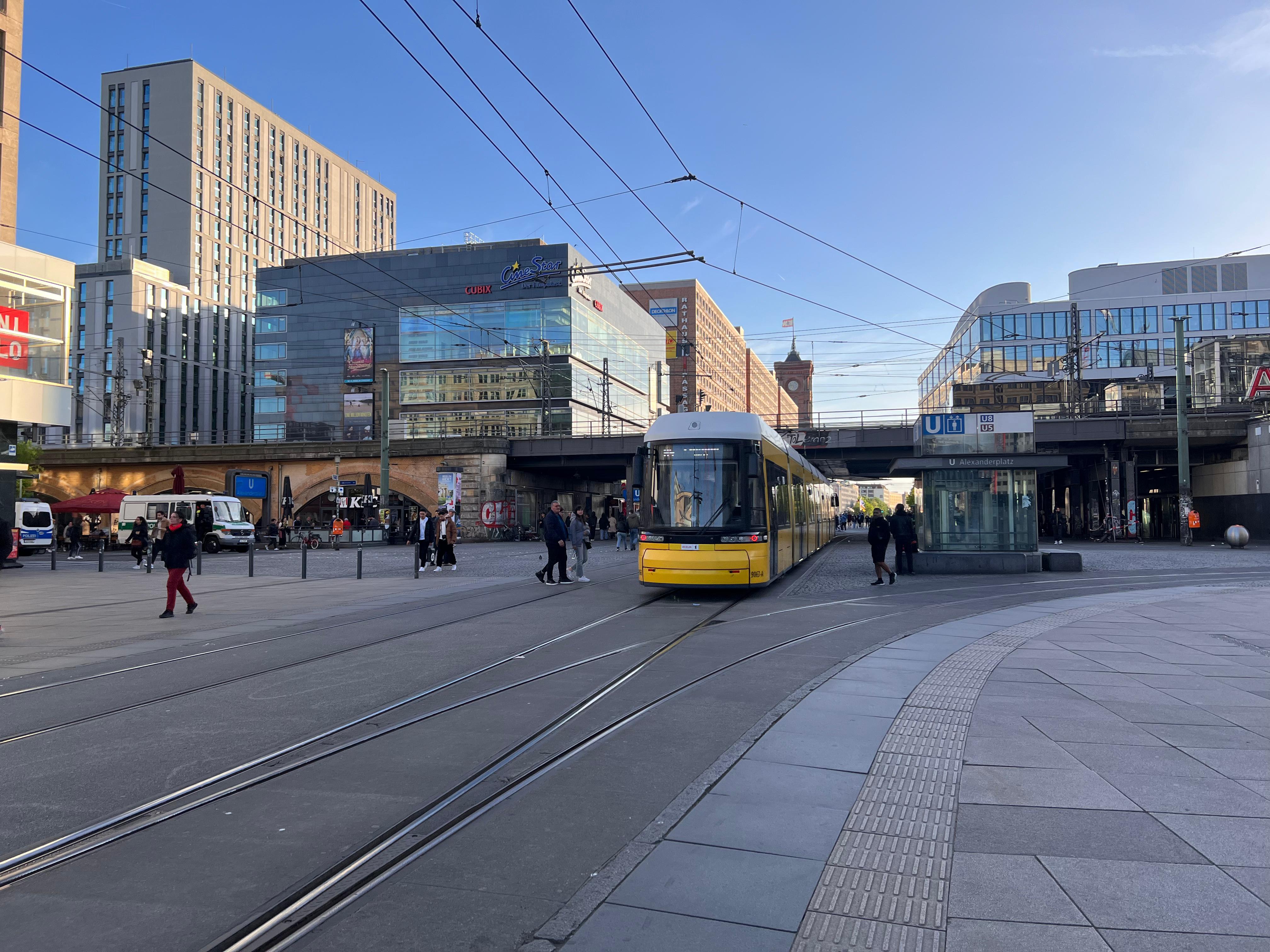
The subject of the core seminar Urban Design and Baukultur is the connection between urban mobility planning and spatial formulation of city. Baukultur is defined as the culture of planning, design and construction in service of society, which is subject to a permanent process of transformation by social and increasingly also climatic conditions and demands. It encapsulates the ethos and principles that shape the physical and cultural landscape of our cities and is essential to create an environment that is perceived as livable. In addition to social, environmental and economic implications, it also has an emotional and aesthetic dimension.
Within the realm of urban design and Baukultur, the concept of mobility stands as a cornerstone. Mobility not only defines how people move within urban spaces but also influences the spatial organization, economic vitality, and environmental sustainability of cities. Moreover, it profoundly impacts social equity, as access to transportation can either facilitate or hinder individuals' ability to participate fully in urban life. Designing streets, paths, and traffic areas to accommodate historically marginalized groups—such as women, children, the elderly, and persons with disabilities—not only benefits society as a whole but also exemplifies high-quality Baukultur. However, despite the recognition of inclusive design principles, a prolonged emphasis on car-centric planning has often resulted in a failure to provide a supportive built environment that caters to the diverse needs of all users. Today, our cities confront unprecedented challenges, including traffic congestion, parking shortages, pollution, and limited funds for promoting inclusive mobility. Addressing these challenges requires a paradigm shift towards inclusive mobility planning that prioritizes Baukultur and design considerations, paving the way for an inclusive, sustainable, and climate-friendly urban future.
In class, we will critically examine these conditions and demands together in two parts:
Part I: How does the concept of Baukultur relate to mobility planning in cities? And how does it intertwine with the inclusive, sustainable, climate-responsive, and integrated approach of sustainable mobility planning practices?
Part II: What are the strategies to integrate transport infrastructure with existing and future built environments? (Studying and conceptualizing inclusive urban mobility in neighbourhoods)
Additionally, we will examine the role of policy frameworks, community engagement, and interdisciplinary collaboration in shaping effective mobility solutions. By the end of the semester, students will be able to understand the multifaceted dynamics of urban mobility planning within the context of urban design and Baukultur, critically analyze the challenges and opportunities inherent in creating inclusive and sustainable transportation systems, and propose innovative solutions that prioritize social equity, environmental sustainability, and the preservation of Baukultur values in shaping the urban landscape.
Overall, the seminar is designed as an integrated course and consists of exercise units and lecture/input units by the guest lecturers and students. The assignments will be worked out both individually and in group. An integral part of the seminar is the attendance in the Baukultur Conference, which will happen in June: Bundesstiftung Baukultur: Konvent der Baukultur 2024 (bundesstiftung-baukultur.de) 19.6. 10am- 8:00 pm and 20.6. 9:00 am-5:00 pm (with registration, no costs).
- Trainer/in: Paula Pretsch
- Trainer/in: Megha Tyagi
- Trainer/in: Sophie von Woedtke
- Trainer/in: Nina Bäckström
- Trainer/in: Felix Bentlin
- Trainer/in: Anna Juliane Heinrich
- Trainer/in: Angela Million
- Trainer/in: Paula Pretsch
- Trainer/in: Sarina Schmidt
- Trainer/in: Lena Schröder
- Trainer/in: Zuzana Tabackova
- Trainer/in: Sophie von Woedtke
- Trainer/in: Kira Joline Wollenweber