
Курсы
- Trainer/in: Robert Hummel
- Trainer/in: Dagmar Thorau
- Trainer/in: Ingeborg-Dorothee Brantz
- Trainer/in: Fabian Thomas Halfar
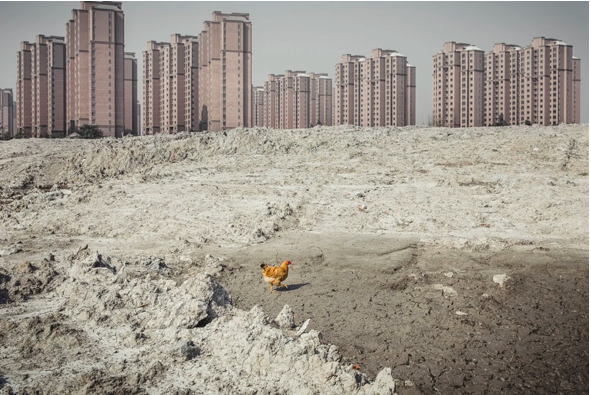
This course delves into the intricate relationship between economic growth, urban development, and colonialism through the lens of political ecology.
As global populations continue to surge and urban areas expand, questions surrounding resource allocation, ecological impact, and social equity become increasingly pertinent. Through interdisciplinary readings, case studies, and critical discussions, students will analyze the challenges and opportunities associated with sustainable urban growth and environmental justice. Topics covered include urban metabolism, political economy of development, resource extraction, colonial legacies, and the impact of uneven development. By the end of the course, students will develop a nuanced understanding of the intersections, and gain insights into potential pathways for building more equitable and environmentally sustainable urban futures.
- Trainer/in: Ozan Zeybek
This seminar course looks at the administration of Displaced Persons (DPs) from the early 20th century until roughly the present. Population Displacement is a topic of pressing importance, impacting lives, shaping politics, transforming cityscapes across the globe. Despite cutting across a variety of disciplines, though, population displacement – its causes and consequences – tends to be viewed in relative isolation. Residents of the Shatila camp in Lebanon, for example, are never compared to Haitians who were displaced by the 2010 earthquake, despite the fact that many of the same organizations, infrastructure, and planning instruments are critical in the response to each displacement event. The Lebanese and Haitian cases may share some characteristics, but in other ways, Shatila (a refugee camp) is more like Dharavi (one of the largest informal settlement in the world) in Mumbai, where residents are displaced neither by political persecution, war, or natural disaster. How do we account for the similarities and differences across cases? How should we understand a refugee camp that in most ways is more like a city than a temporary settlement?
This seminar suggests that we look at Population Displacement in a global comparative context, situating the topic in the historical matrix of capitalism, imperialism, the human sciences, and international knowledge networks.
The course suggests that a global history of displacement can learn not just from cross case comparison, but from scholarship on informal settlements (slums), precarity (surplus labor), the carceral society (prisons), but also the experiences of high mobility persons (expats etc). One primary goal of the course is to explore how the shared vulnerabilities – of selves and others – can help us to think the core structural elements of displacement. And to think better about the complicated logics which lead to displacement, from development projects and wind farms to land-grabbing, ecological degradation, and communalized politics.
- Trainer/in: Avinash Sharma

This seminar aims at helping students with the data collection and structuring of their master’s theses. It is divided into two blocks: (workshop with lectures) and colloquium (with presentations). The seminar covers the following complementary topics: 1) the review of the necessary requirements for a master's thesis; 2) the analysis of previous theses submitted to the program; 3) the elaboration of an adequate problem statement and relevant research question(s); 4) the selection of provisional references for the literature review; 5) the discussion of possible methods for data collection and analysis; 6) the preliminary structure of the thesis (summary); and 7) the preparation of individual chronograms for the conclusion and submission of thesis. As a final product, students are expected to submit a written proposal outlining their research design (exposé) and to deliver an oral presentation to the class.
This seminar is open EXCLUSIVELY to CMS students. It targets those who are planning to register with the Prüfungsamt in 2024 (planning to start writing the thesis before the next Summer semester).
- Trainer/in: Claudia Seldin

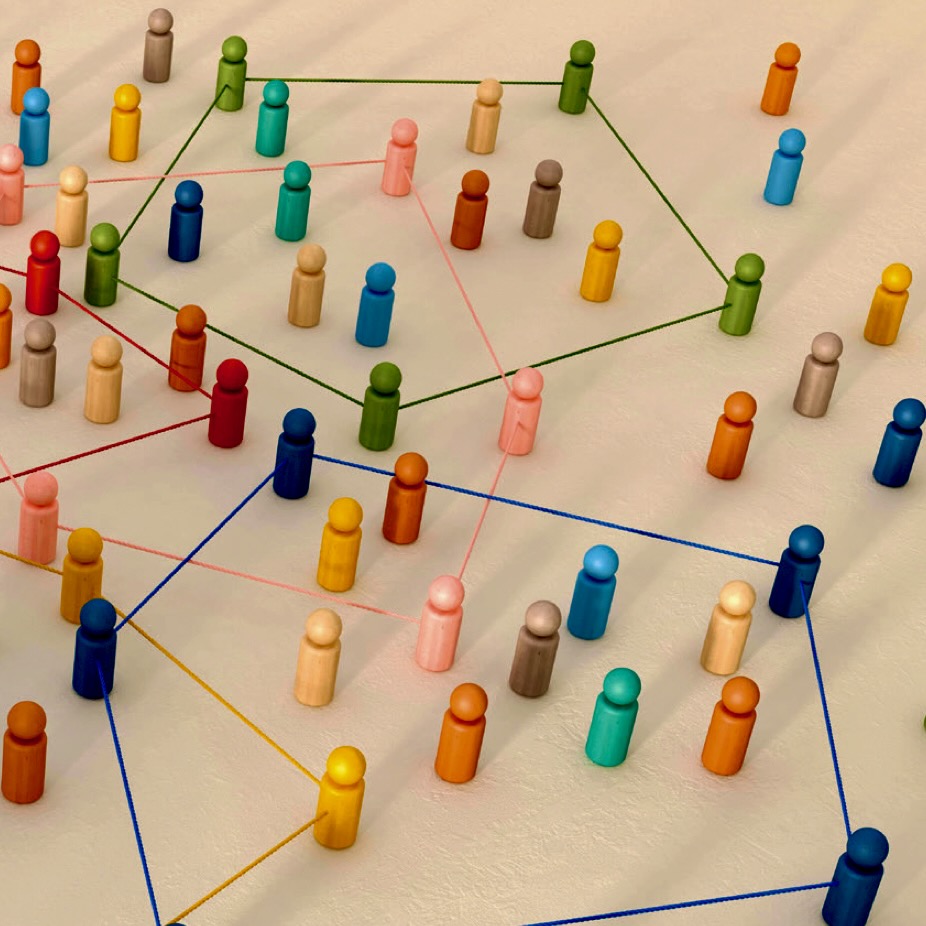
The seminar is divided into three complementary thematic blocks: 1) Conceptualization: Networks; 2) Cultural Networks and Formal Planning/Policies; 3) Networks of Resistance and Collaboration. These topics will be supplemented by videos, images, and possibly lectures by guest speakers.
External students interested in the course should email the instructor to inquire about enrollment before the end of the first week of classes.- Trainer/in: Claudia Seldin