
Kursy
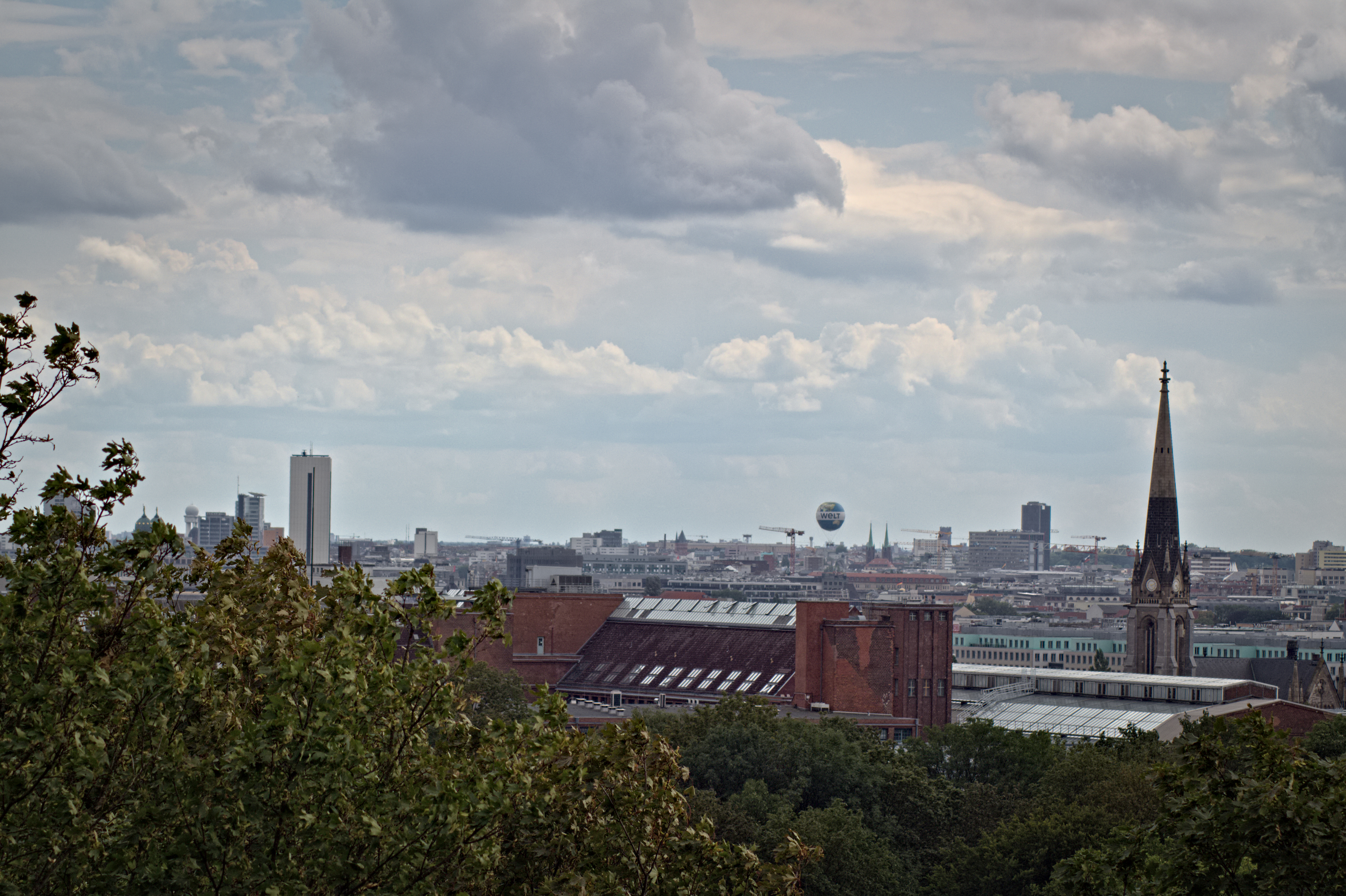
Profilierungsprojekt FG Stadtökologie: Environmental Resources in Urban Regions (WS23/24):
Heat stress @ historic urban district
Climate change will make urban heat waves more frequent and intense. A growing body of evidence suggests that nature-based solutions like urban trees can reduce ambient air temperatures and heat health impacts. Climate change impacts on urban forests may already be felt with drought events leading to mass tree mortality and dieback in some cities potentially reducing the heat-risk mitigation benefits trees provide. Alternative urban cooling strategies include painting buildings in white and using reflective materials or materials with low heat storage capacity in construction. In historic urban districts any strategy reducing heat stress can be confronted with urban conservation regulations.
Central questions:
- What implications do various redevelopment strategies of an old urban district have for its heat mitigation?
- How to explain the relevance of different urban greening strategies for the heat mitigation to the general public?
We meet Thursdays 14:00 - 18:00. Our first meeting is on Oct 19th in BH-N 329.
Supervisor: Prof. Dr. Galina Churkina
Welcome!
- Trainer/in: Galina Churkina
- Trainer/in: Alexander Plakias
- Trainer/in: Sebastian Schubert
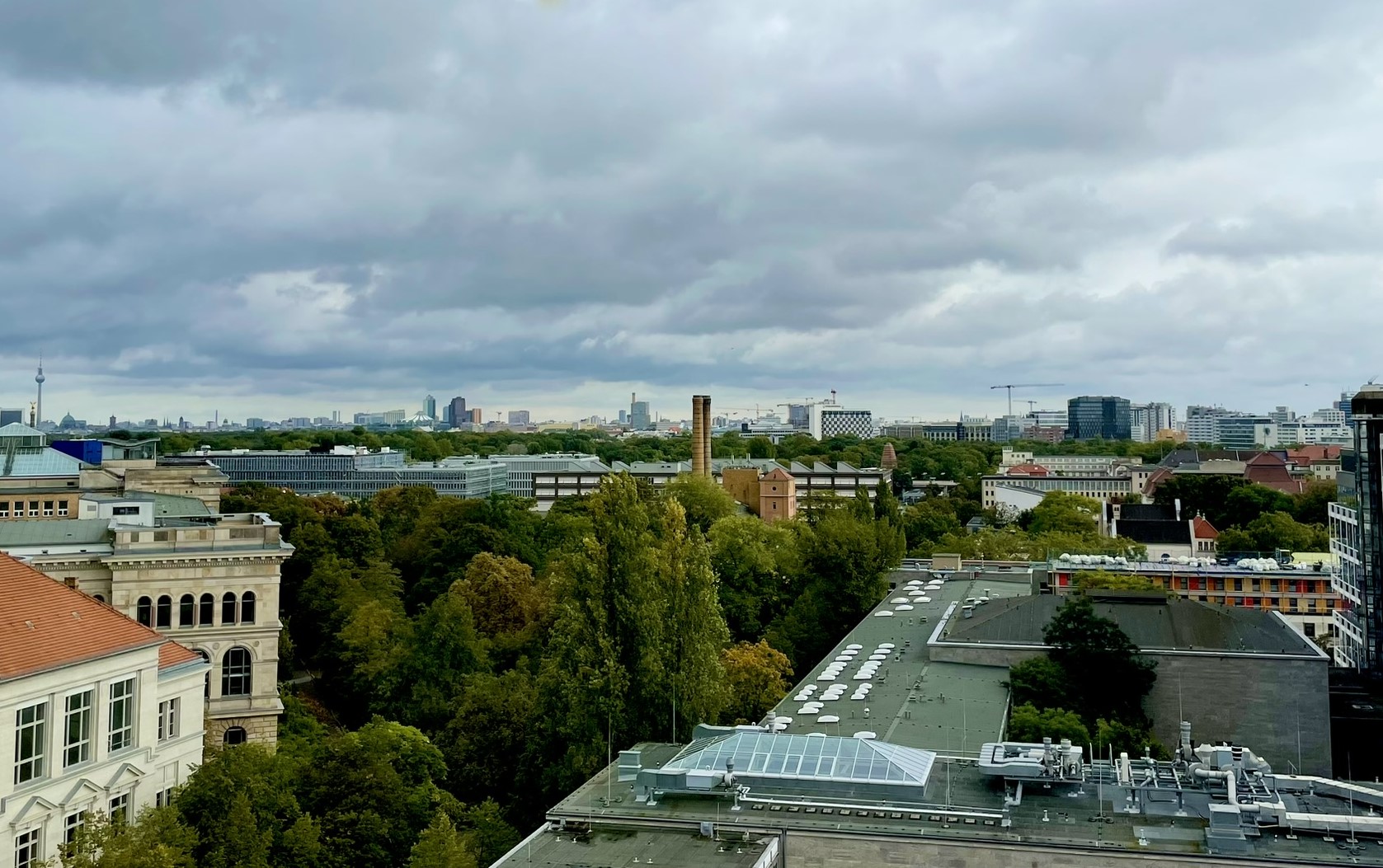
This course combines module parts Introducing Environmental Resources in Urban Regions AND History and Perspectives of Urban Regions of the module Introduction to Urban Ecosystem Sciences.
- Trainer/in: Galina Churkina
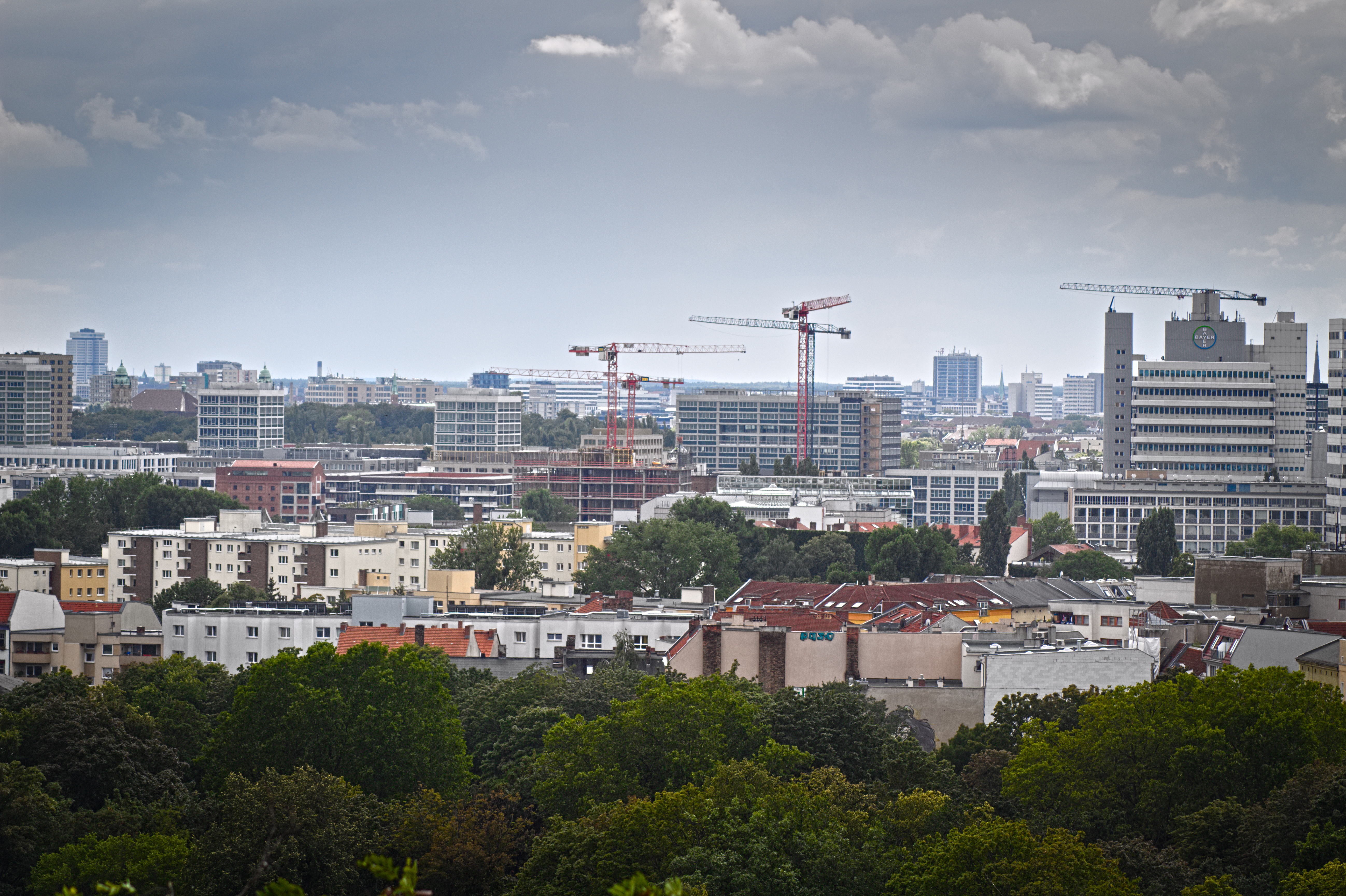
Die Veranstaltung findet Montags 10:15-12:00 Uhr in Präsenz im Hörsaal C264 der TU Berlin statt (Start am 16. Oktober).
Außerdem ist die Vorlesung eine Wahlveranstaltung im Modul Landschafts und Naturschutz im B.Sc. Landschaftsarchitektur. Auch hier gilt: wenn die Veranstaltung schon in einem anderen Modul belegt wurde, kann sie in diesem Modul nicht gewählt werden.
Dozentin: Prof. Galina Churkina
Willkommen!
- Trainer/in: Galina Churkina
- Trainer/in: Fred Meier
- Trainer/in: Dieter Ernst Scherer