
Courses
During this semester you are invited to (re/un)design material urban devices (e.g. apparatus, infrastructure, building ensembles) and their rituals that allow for correspondence between urban bodies of water in Berlin and beyond. These design speculations situated in specific hydro-stories ripple out from watery sites along the Panke, Landwehk and Teltow canals and make fluid connections with riparian correspondents in São Paulo, Brazil.
Urban design has always referred to both the product and creative processes of planning and organising Modern infrastructure of urban spaces: roads, buildings, grids and the like. Here, we suggest that the notion of correspondence invites us to speculate on what Judith Butler calls “radical interdependence” - between watery bodies, both human and nonhuman that flow between and leak across all sorts of boundaries, spaces, and scales.
In contrast to Modern modes of design and planning shaped by rigid binaries and hard borders, with the fluid concept of correspondence, you will investigate the possibilities of a relational decentred design approach that celebrates, amongst others, feminist practices of repair, healing, justice, and care-full criticality. To navigate this passage towards a more critical spatial design practice fit for what Dipesh Chakrabarti amongst others refers to as the “planetary”, you will be guided by the question: “What does it do to the possibilities for future urban space to rethink spatial design as a mode of correspondence between urban bodies of water in a planetary age?”
- Trainer/in: Jamie-Scott Baxter
- Trainer/in: Anna Nicola Heilgemeir
- Trainer/in: Anna Romeo
- Trainer/in: Aline Schulze
- Trainer/in: Jörg Stollmann
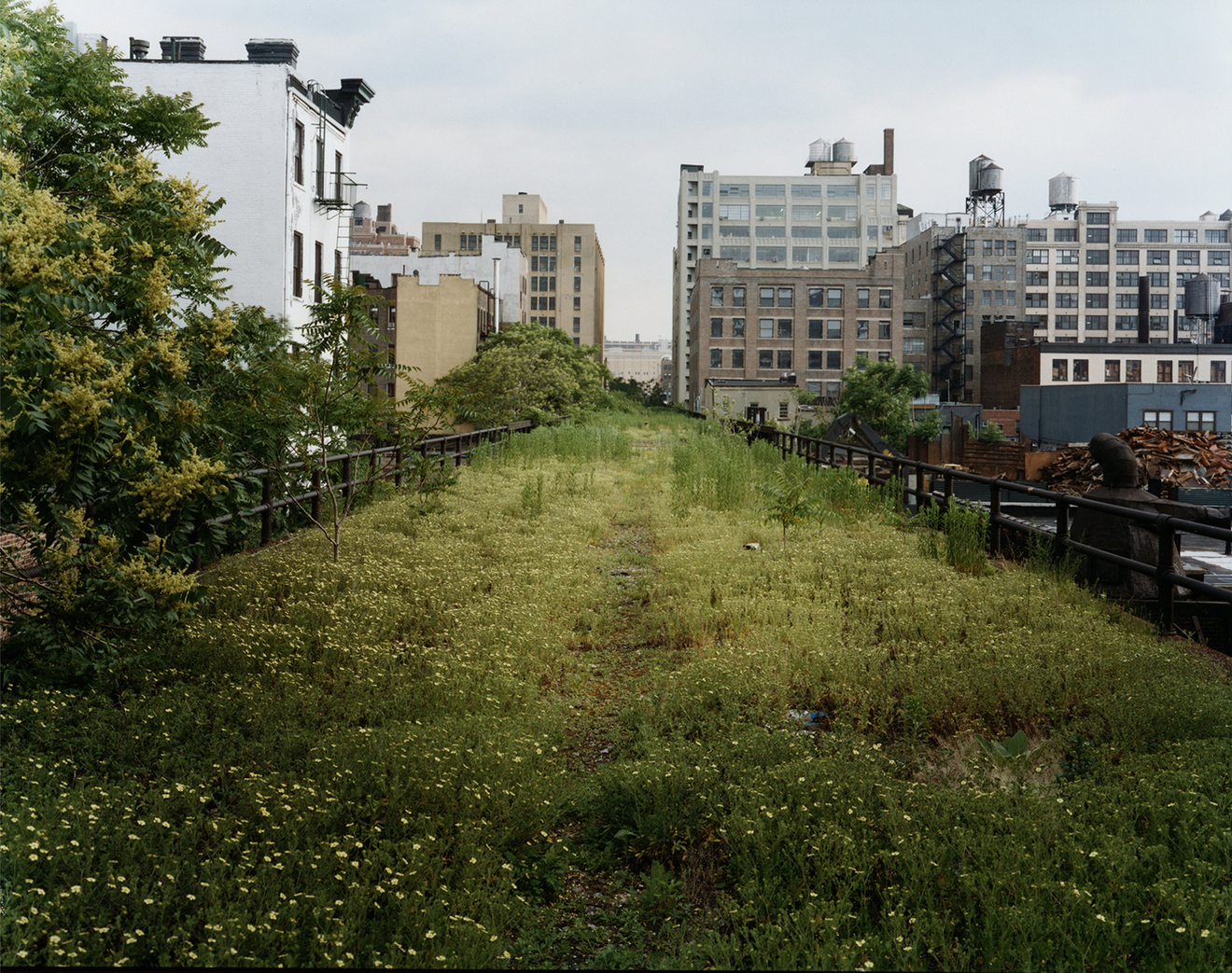
Städtebau agiert im Spannungsfeld zwischen selbstgenerierenden Prozessen und der Steuerung durch Planung und Gestaltung. Als Mittler und Mitgestalter können Archietkt*innen vielfältige Rollen einnehmen.
Die Vorlesungsreihe stellt historische und aktuelle Tendenzen des internationalen Städtebaus vor.
Es werden die Prozesse beschrieben, die urbaner Entwicklung zu Grunde liegen, und Methoden und Werkzeuge für Analyse, Entwurf und die Gestaltung von Stadtentwicklungsprozessen an Beispielen erläutert.
Besondere thematische Schwerpunkte sind Globalisierung, Klimawandel, Digitalisierung, Akteur- Netzwerke, Typologie und Morphologie, Ko-produktion und urbane Regelwerke. Die Vorlesungsreihe begleitet den städtebaulichen Entwurf im 3. Semester.
Vortragende: Sandra Bartoli, Anke Hagemann, Birgit Klauck, Silvan Linden, Jörg Stollmann, Antoine Vialle
- Trainer/in: Anna Edith Barwanietz
- Trainer/in: Anke Hagemann
- Trainer/in: Anna Nicola Heilgemeir
- Trainer/in: Birgit Maria Klauck
- Trainer/in: Julia Köpper
- Trainer/in: Franka Matthes
- Trainer/in: Jörg Stollmann
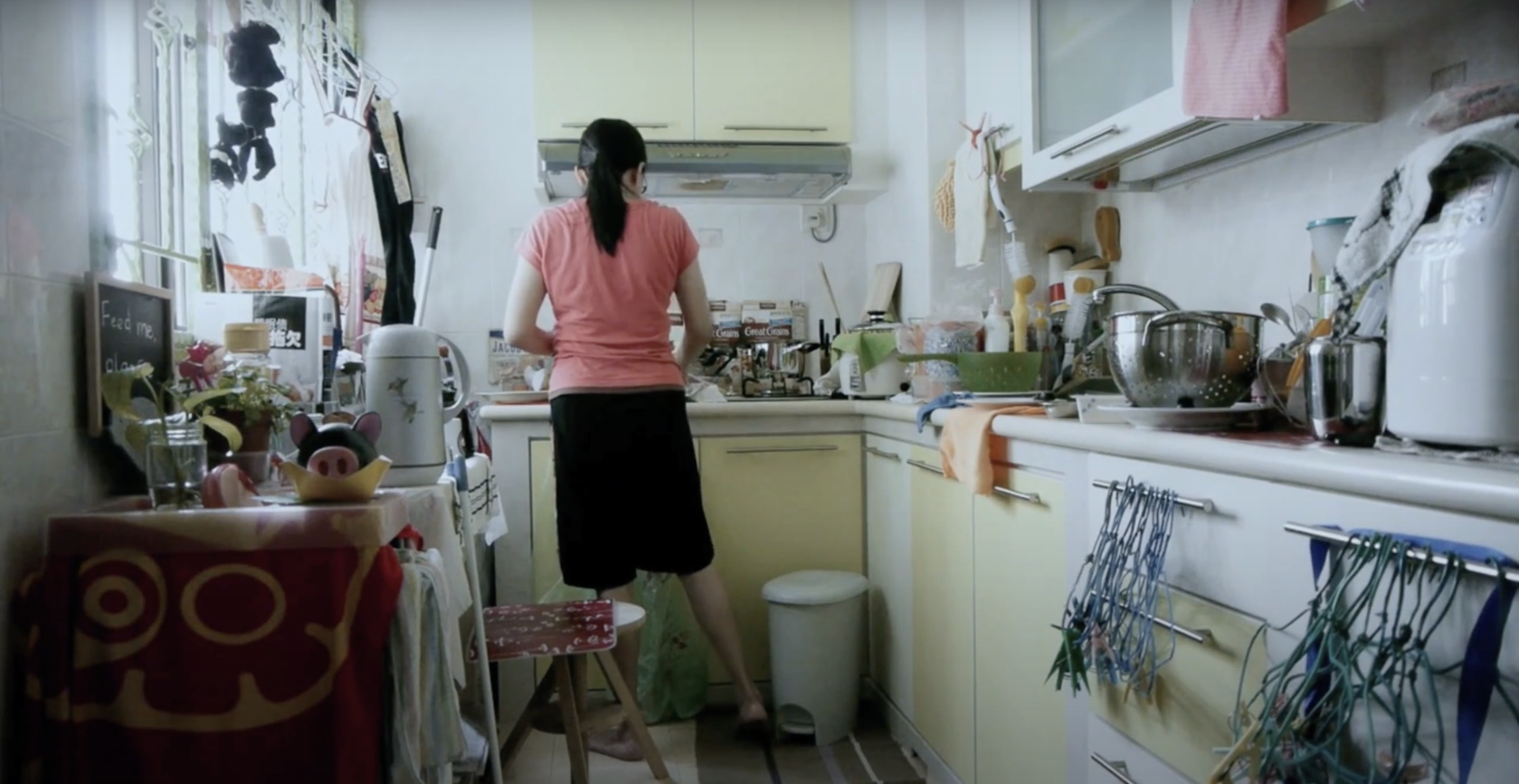
As a primary locus of social reproduction, housing is increasingly burdened by the crisis of care, shifting responsibility from institutions to private caretakers. This vital but often unpaid and unacknowledged labor has traditionally fallen upon women, and their liberation from the drudgery of it remains a cornerstone for female emancipation. However, within the context of financialised and commodified housing, this work tends to be individualised, isolating both the caregiver and the caretaker.
This seminar will explore key instances of the collectivisation of reproductive labor and how spatial design in housing can simplify and communalise these processes. The spatial organisation of domestic labor not only reflects our society‘s stance on this work but also holds the potential for its transformation in the light of the rationalisation of both human and non-human resources.
At the end of the term, we will collaboratively compile a compendium on Housing and Reproduction. This compendium will include selected quotes from chosen readings, a collectively edited timeline of feminist practices in housing, as well as insights into contemporary examples. By doing so, we will raise questions about this enduring yet undervalued aspect of everyday housing—one that no architectural program should ever neglect.
- Trainer/in: Ana Filipovic Mecke
- Trainer/in: Veljko Markovic
- Trainer/in: Jörg Stollmann
- Trainer/in ohne Editorrecht: Sarah Baur
- Trainer/in ohne Editorrecht: Lea Johanna Beck
- Trainer/in ohne Editorrecht: Lisa Biermann
- Trainer/in ohne Editorrecht: Deniz Bozdag
- Trainer/in ohne Editorrecht: Sophie Dilg
- Trainer/in ohne Editorrecht: Ezgi Duman
- Trainer/in ohne Editorrecht: Mahaut Louise Jeanne Guerin-Ladouce
- Trainer/in ohne Editorrecht: Viktoria Jackiewicz
- Trainer/in ohne Editorrecht: Setareh Jedigoli
- Trainer/in ohne Editorrecht: Dora Marlene Joppien
- Trainer/in ohne Editorrecht: Andreea Keresztely
- Trainer/in ohne Editorrecht: Tsvetelina Markova
- Trainer/in ohne Editorrecht: Bahareh Montakhabi
- Trainer/in ohne Editorrecht: Gustavo Adrian Montemayor Magallanes
- Trainer/in ohne Editorrecht: Santiago Murcia Beltran
- Trainer/in ohne Editorrecht: Caterina Ricci
- Trainer/in ohne Editorrecht: Leonie Rüschoff
- Trainer/in ohne Editorrecht: Gökce Senol
- Trainer/in ohne Editorrecht: Rebecca Jane Sharp
- Trainer/in ohne Editorrecht: Jadwiga Joanna Skalska
- Trainer/in ohne Editorrecht: Marianna Spindola Godoy
- Trainer/in ohne Editorrecht: Nora Henriette Stellwag
- Trainer/in ohne Editorrecht: Soo Hua Tan
- Trainer/in ohne Editorrecht: Pauline Tolkmitt
- Trainer/in ohne Editorrecht: Si Ying Wee
- Trainer/in ohne Editorrecht: Lea Weise
- Trainer/in ohne Editorrecht: Emma Johanna Wilisch
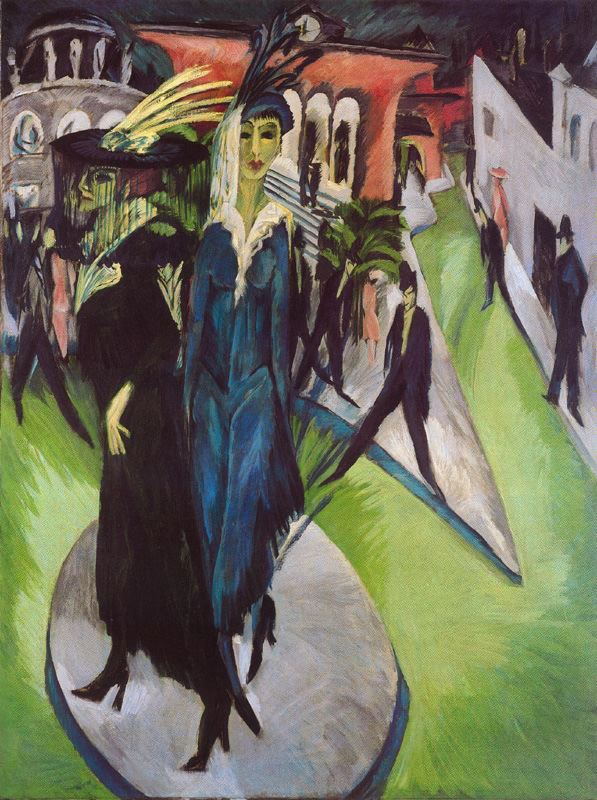
In dem Maße, in dem die Stadt zunehmend privatisiert wird, werden aneignungsfähige Zwischen- oder Schwellenräume, die sich auf Grund ihrer räumlichen Bedingungen
außerhalb des Radars befinden,immer knapper. Leipziger Straße, Kulturforum, Potsdamer Straße, Hauptstraße. Wir bewegen uns entlang einer der Hauptachsen Berlins. Eine Linie zwischen Vergangenheit und Zukunft, ein Mosaik unterschiedlicher Planungsphasen und Begehren, Arena der Verhandlung um Raum, Ort der Brüche und Reibung unterschiedlichster Klassen und Hintergründe, Ort des Clashs zwischen Daseinsvorsorge und Markt, Fortschritt und Stillstand, zwischen Glamour und Existenzminimum, Ankommen und Bleiben, Eigentum und Alltag.
Wie unter einem Brennglas sind hier Gentrifizierungs- prozesse ablesbar, ebenso wie die Kraft des globalen Kapitals, der Kampf um städtische Freiräume und die Veränderung von Arbeitsbedingungen. Wir laufen, sehen, wissen und spüren... aber können wir das Ganze auch verstehen, weiter denken, gar beeinflussen?
Wir machen uns auf die Suche nach Schwellenräumen als Orte, die gleichzeitig verbinden und separieren, als Möglichkeitsraum des Dazwischens, als Ausgrabungen für die Zukunft. Auf der Grundlage eines systemischen Verständnisses zwischen physischem und sozialem Raum und den dahinterliegenden Betriebssystemen wollen wir die Strasse als Blaupause einer progressiv-sozialen Selbsterneuerung gemeinsam weiter entwickeln.
- Trainer/in: Anna Edith Barwanietz
- Trainer/in: Anna Nicola Heilgemeir
- Trainer/in: Julia Köpper
- Trainer/in: Veljko Markovic
- Trainer/in: Franka Matthes
- Trainer/in: Jörg Stollmann