
Kursy
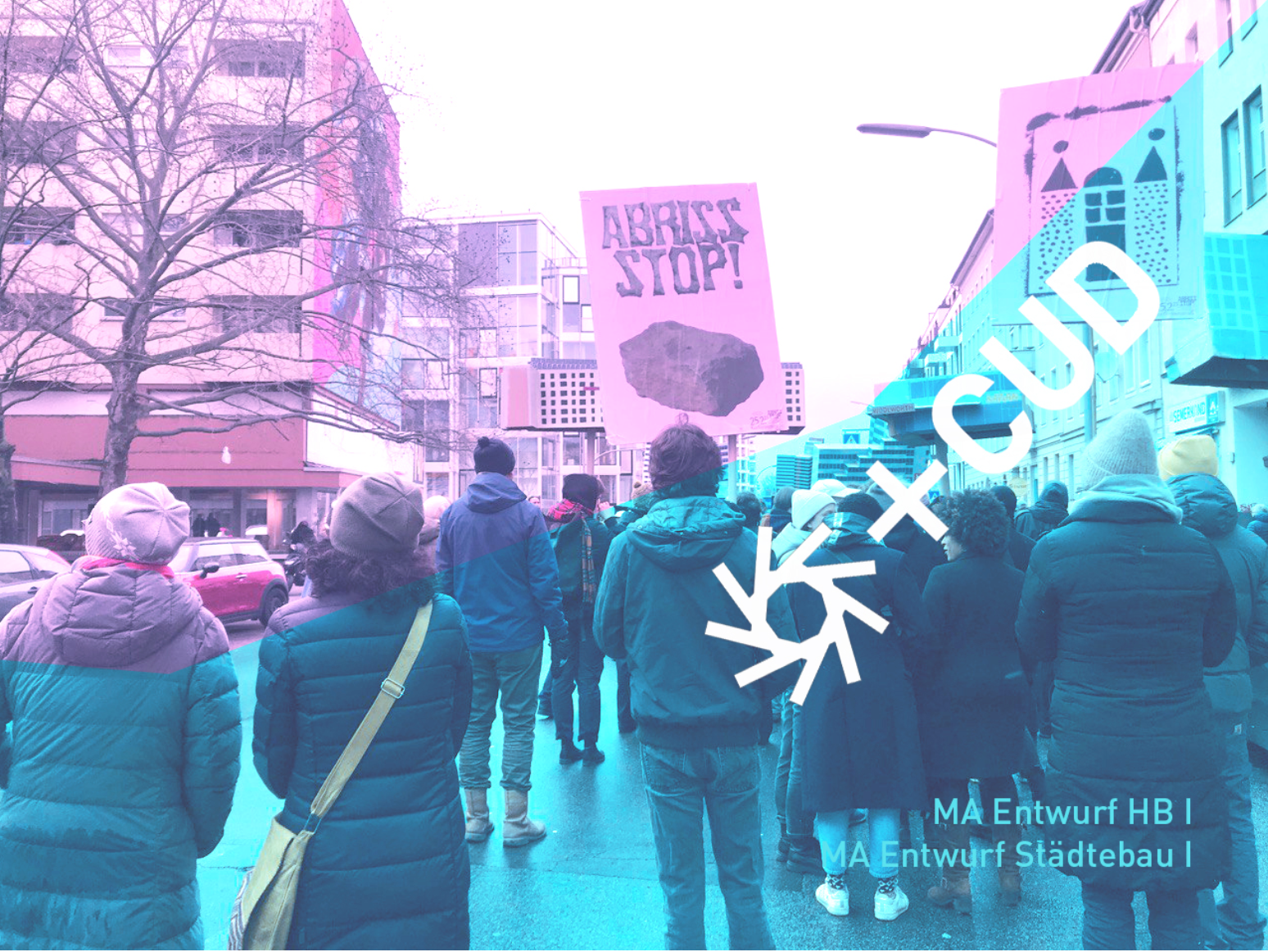
Societal challenges such as the climate emergency, the scarcity of
resources and an increasingly divided society make it clear that we need
new approaches to planning and building in cities and beyond. It is
also becoming apparent that solutions can only be effective in the long
term if supported by civil society requiring new forms of participation
and planning culture. The potential of transdisciplinary cooperation
currently needs to be exploited. With the CDC, TU Berlin plans to
establish a first contact point for innovative planning processes
supported by civil society inspired by the US American model of the
Community Design Centre. Projects hitherto carried out repeatedly by
individual departments will thus have a fixed framework at the Institute
of Architecture. The CDC makes long-term cooperation between academic
and non-academic actors possible beyond one semester. In addition to the
content-related work on projects, the centre also strengthens student
initiatives in teaching and secures the long-term focus of academic
staff.
- Trainer/in: Anna Nicola Heilgemeir
- Trainer/in: Nina Maria Pawlicki
When thinking about urban infrastructure, we tend to think about essential facilities
that make cities livable, such as roads, sewage, or power supplies. Ever present yet over-
looked, these are systems that are typically only noticed when they break down: power
cuts, water shortages, roadblocks. Some of these infrastructural facilities were built deca-
des ago as monofunctional entities that serve one particular purpose and, as a result, exist
today as isolated and enclosed chunks of space within the urban fabric. They are planned
by the state, built and managed by expert technicians, and are largely inaccessible to the
public.
Today, urban infrastructures have become complex and messy. They can be seen as much more than just old pipes, cables, and containers. Urban infrastructures are deeply entangled with the landscape and the biodiversity of the environment in which they in- tervene. This entanglement is further complicated by the fact that urban infrastructures are traditionally sites of expertise. These infrastructures appear difficult to read and, as a result, impossible to alter.
But what happens when an urban infrastructural space is opened up, its function hy-
bridized and its use collectivized? What protocols, routines, schedules and choices mani-
fest when an urban infrastructure is infused with care: softened and layered with diverse
meanings? Can these new circumstances transform urban infrastructures into spaces for
commoning and stages for public debates?
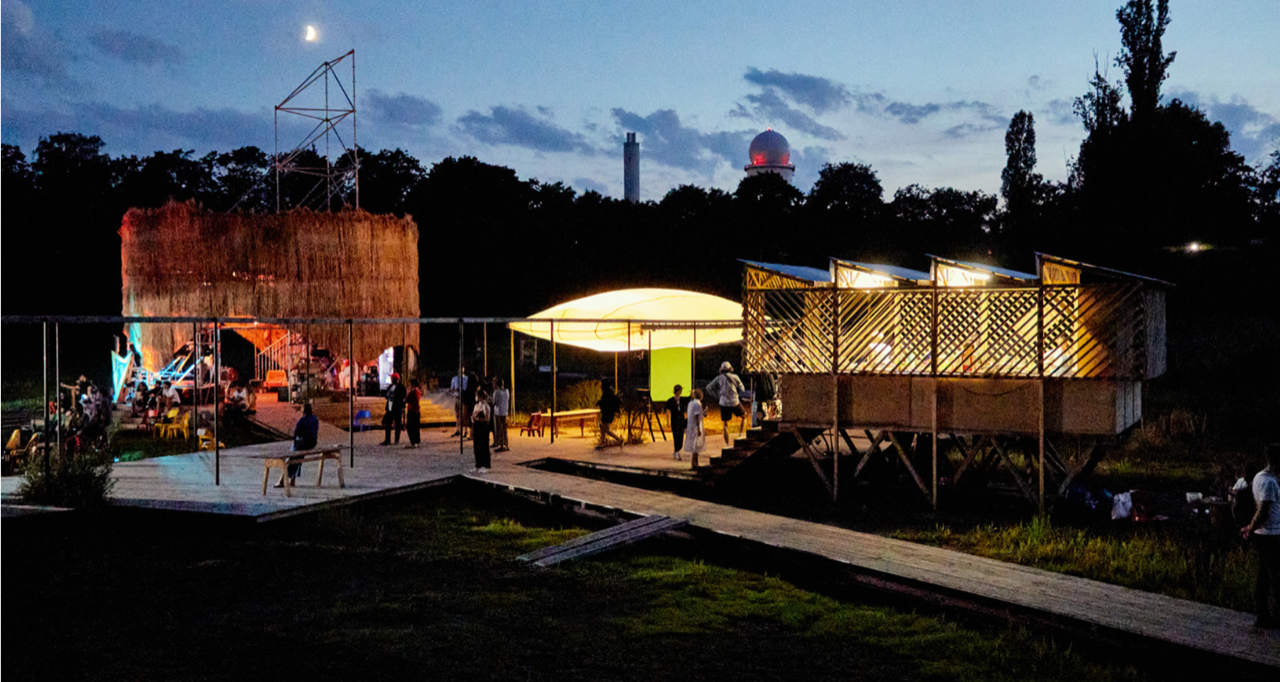
Such is the case of the Floating University and its site in Berlin-Kreuzberg. This water in-
frastructure has been serving the former airfield since its construction and was closed to
the public for many decades forming a third landscape (Clément), or a natureculture (Ha-
raway). Since 2018, the site has opened to the residents of Berlin and provides a place for
the artistic, pedagogical, cultural and spatial exploration of more-than-human cohabita-
tions. In 2020 plans were disclosed by the landlord Tempelhof Projekt GmbH to transform
the site. This means the environment enjoyed by the life forms currently occupying the
site will be dramatically altered. The thick concrete floor will most likely be removed and
replaced with a porous layer to allow incoming polluted rainwater to filter and trickle into
the ground. This kind of spatial transformation will deeply affect both the biodiversity on-
site and the cultural and educational programming, but the process is still open and has
the potential to be collaboratively defined.
The urban design research studio will be situated within the rainwater retention ba-
sin serving Tempelhofer Feld - the site of the Floating University. Departing from the idea
of learning as a form of living, the studio invites students to engage with the site and its
diverse actors and to acknowledge that we are situated in relation, in cohabitation, with
an infrastructural site and its many living forms.
The studio will deliver unique and original theories and practices of hybrid infrastructural
spaces in the city, bringing social and natural sciences together, reintegrating humans
into ecology and developing a site-responsive program and spatial strategy for the water
basin at the heart of Berlin- Kreuzberg.
The studio will explore the possibilities of this urban transformation process by prototy-
ping a collective and collaborative approach towards the negotiation, maintenance and
mediation of hybrid urban infrastructures in Berlin and beyond.
- Trainer/in: Veljko Markovic
lt has almost become trite to rehearse, as many introductions do, the
extreme crisis that human and environrnent relations face today.
Especially in discourses on the Anthropocene and nature conservation,
it is common knowledge that exploitation of natural resources has led
to a destabilising climate. Or, that the mass extinction of nonhuman
species can be traced to planetary processes of urbanisation. Arguably,
we have become saturated in these abstractions to the poi nt that
repeating them runs the risk of desensitizing us to the challenges
ahead. So, in this research seminar lefs together ask another question,
one that takes seriously the politics, practices, technologies, and
power involved in governing this human-environment crisis and ask: in
what ways are the interactions between humans and nonhumans regulated
in urban spaces, and, how does such a conservation regime, as we refer
to it, affect the ways in which (more-than-human) spaces are
constituted, planned, desig ned, and evolve in urban processes?
Using multiscaler mapping you will consider how Berlin based actors,
power asymmetries, technologies, spaces, and conservation practices that
entangled with international networks, NGO agencies and goals that
together constitute, what we see as a changing conservation regime, a
regime that aims to regulate natureculture interactions with its roots
in empire, colonialism and capitalism.
- Trainer/in: Jamie-Scott Baxter
- Trainer/in: Julia Köpper
- Trainer/in: Severine Marguin
- Trainer/in: Louis Milan Speer
Due to their inherent ambivalence, threshold spaces are a difficult phenomenon to grasp, they separate and connect at the same time. They are spaces of transition, within the architectural to the urban to the geographical scale. From the cushion on the window sill, to the doorstep, walkways, steps, foyers, arcades, alleys, bridges, squares or zones between two neighbourhoods.
As the city gets increasingly distributed to private ownership, spaces that are beyond the control of ownership and use and that can be variously appropriated are becoming scarcer and scarcer. We start with the hypothesis that they are spaces that are often not focused on by those who have power, sovereignty of interpretation and economic interest within urban planning processes which is why they offer space for all those people and uses that are not considered in the economically exploitable dty. Therefore, they are deeply urban and necessary for a common good oriented dty that is more oriented towards the needs of all than the profit of a few.
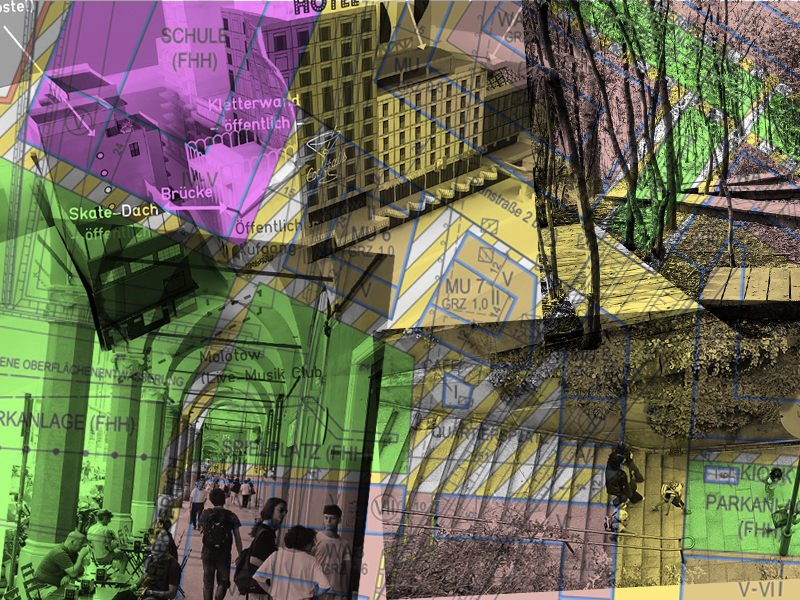
Within the seminar we will use literature to get an overview of the spectrum and definition of threshold spaces. We will examine the category of planned threshold spaces using various examples within Berlin through the means of mapping. By doing so, we will analyse the spatial conditions in the context of use, appropriation and the underlying sets of rules. With the help of this glossary of interstices we have created, we will reflect on our actions as planners. We will discuss how the identified spatial qualities can be used with more subtlety as part of our design vocabulary, what arguments can be used to negotiate them with commissf oners and what planning tools can be used to inscribe them in the fabric of the city.
- Trainer/in: Julia Köpper
- Trainer/in: Jörg Stollmann
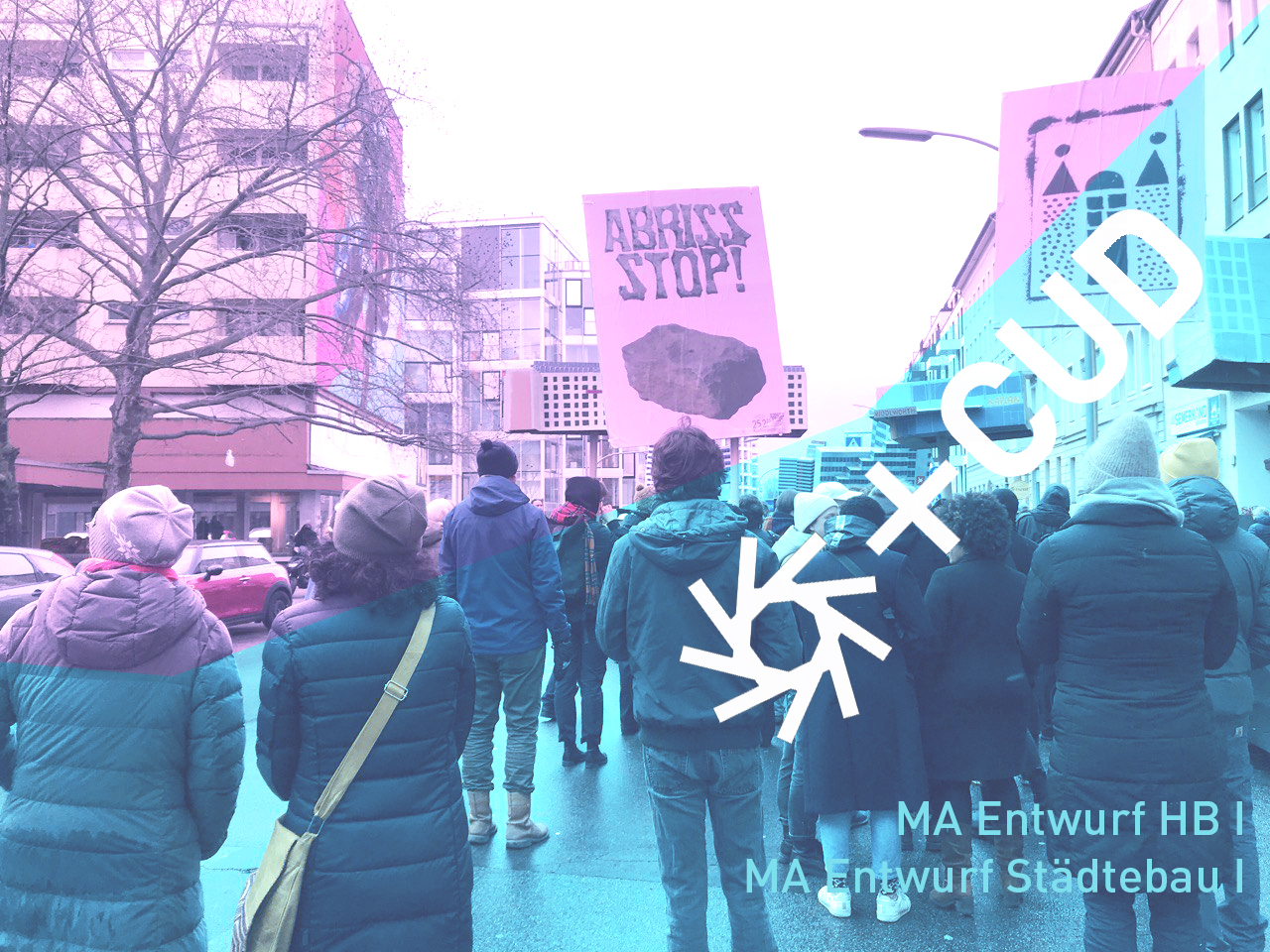
The diversity of Schöneberg-Nord can be characterized by its intersection of queer, art, and night scenes, of rich and poor, of new collectives and “old-Berliners” – a complex bricolage of a vivid neighborhood in transformation. This bricolage is under threat. While one scene is thriving, others are in fear of losing their common spaces and livelihood. In the studio “Schöner Schönberg” we will investigate, how design interventions can support the diversity and strengthen the position of economically weaker inhabitants.
The starting point for our studio is a project for a multi-use neighborhood center and housing initiated by the city. Recently, the public housing developer withdraw from the project. We will continue this initial idea, with an approach of developing projects where existing scenes, collectives, and people in need can share spatial resources, and where new construction and re-use strategies are negotiated.
Schöner Schöneberg is a collaborative studio between the chairs of CUD and NBL with integrated design studios Städtebau I (CUD) and Hochbau I (NBL). The accompanying PiV will support the studio with community contacts and insight into the diverse stakeholders in Schöneberg Nord. The studio is taught in English, basic knowledge of German is a plus.
- Trainer/in: Anna Edith Barwanietz
- Trainer/in: Matthew Crabbe
- Trainer/in: Anna Nicola Heilgemeir
- Trainer/in: Veljko Markovic
- Trainer/in: Nina Maria Pawlicki
- Trainer/in: Jörg Stollmann