
Kursy
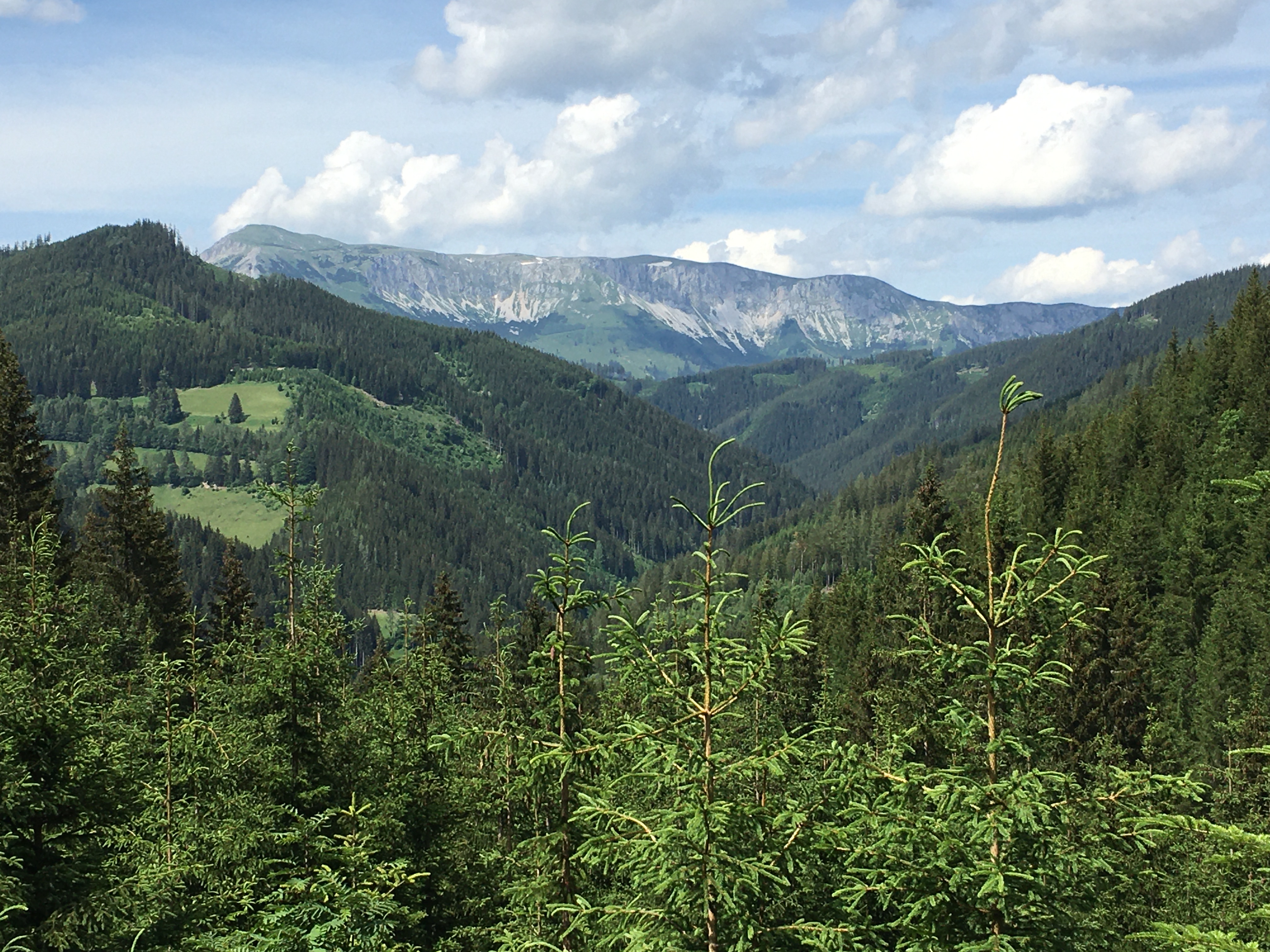
Forest ecosystems harbor much of the world’s terrestrial biodiversity providing habitat for various animals, birds, and insects. They are a source of subsistence living in some cultures, where hunting and food gathering in forests contribute significantly to people’s diets and lifestyles. They also offer valuable recreational opportunities. Moreover, forest ecosystems are an important moderator of the Earth climate because they modify land properties, e.g., albedo, and exchange greenhouse gases with the atmosphere. Lastly, forest ecosystems are a large carbon reserve and play a crucial role in the atmospheric carbon uptake, which offsets the global warming.
On the other hand, wood extracted from forests is a renewable resource that has applications in many different industries. Wood products store carbon long term and can play an important role in combating climate change. Recent innovations in the use of wood have led to the development of new products that can feasibly replace traditional fossil-based carbon-intensive products, particularly in the construction and energy sectors. Understanding the potential environmental impacts and societal implications of increases in both conventional and emerging wood products across their respective life cycles as well as their possible reuse in a circular construction economy is critical in assessing the potential to mitigate global warming with substituting biomass-based for mineral-based products.- Trainer/in: Galina Churkina
- Trainer/in: Sebastian Schubert